Apron on the Hook Decorative Kitchen: Strategic Visual Assets for Brand and Home
In the realm of visual communication, whether for a small business branding package or a personal creative project, the distinction between generic imagery and intentional design often dictates the outcome. The Apron on the Hook Decorative Kitchen concept represents more than a simple illustration; it is a curated visual asset designed to convey warmth, hospitality, and domestic creativity. When utilized correctly, such assets can significantly enhance user engagement, brand recall, and aesthetic cohesion. This article explores the strategic implementation of this specific black and white vector art, examining how its bold, playful style and versatile file formats support broader goals in marketing, education, and product development.
The Strategic Value of High-Contrast Vector Art
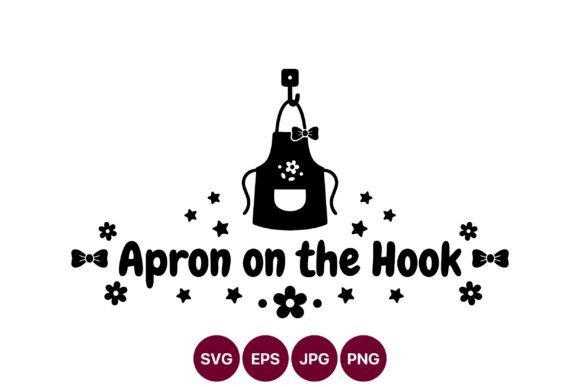
Understanding the technical and aesthetic foundations of your visual resources is the first step toward effective deployment. The artwork in question features the phrase "apron on the hook" accompanied by a hanging apron decorated with a bow and flowers, surrounded by stars and floral icons. This composition is not random; it is engineered for clarity and impact. The high-contrast black and white palette ensures legibility across various mediums, from small mobile screens to large-format prints.
For entrepreneurs and marketers, the inclusion of 100% vector SVG and EPS files is a critical advantage. Unlike raster images that pixelate when scaled, vector graphics maintain sharpness at any size. This scalability allows for consistent branding whether the image is used as a favicon on a website, a detail on a business card, or a large decal on a storefront window. The download includes a ZIP folder containing SVG, PNG, JPG, and EPS files, providing immediate flexibility for different technical requirements without the need for additional conversion tools or designer intervention.
Enhancing Brand Identity and Customer Experience
For small business owners in the culinary, hospitality, or home goods sectors, visual consistency is paramount. The Apron on the Hook Decorative Kitchen graphic serves as a thematic anchor that communicates core brand values: care, tradition, and artisanal quality. When integrated into packaging, menus, or social media content, this imagery reinforces the narrative of a handmade, thoughtful experience.
Consider a boutique bakery launching a new line of home-baking kits. Using this playful, star-adorned apron illustration on the packaging creates an emotional connection with the customer. It suggests that baking is not just a chore but a joyful, creative act. This subtle psychological cue can influence purchasing decisions by aligning the product with the customer’s aspirational self-image. Furthermore, the bold, playful style appeals to a broad demographic, bridging the gap between modern minimalism and nostalgic charm.
Practical Applications in Marketing Materials
- Social Media Campaigns: Use the PNG files for quick, high-quality posts on Instagram or Pinterest. The black and white aesthetic stands out in colorful feeds, drawing attention through contrast.
- Email Newsletters: Incorporate the SVG format into email headers to ensure crisp rendering on all devices, enhancing professional credibility.
- Print Collateral: Utilize the EPS files for brochures, flyers, and loyalty cards. The vector format ensures that text and lines remain sharp, even after multiple print runs.
Supporting Educational and Creative Projects
Beyond commercial applications, this asset holds significant value for educators, bloggers, and hobbyists. In educational settings, particularly in home economics or art classes, such clear, iconic imagery can serve as excellent teaching aids. The distinct elements—the bow, the flowers, the stars—can be used to discuss design principles, symmetry, and thematic consistency.
For content creators and bloggers, the availability of multiple file formats simplifies the workflow. A food blogger might use the JPG version for a featured image while embedding the SVG in recipe cards for interactive web elements. This versatility reduces production time, allowing creators to focus on content quality rather than technical troubleshooting. The playful nature of the design also makes it suitable for children’s activity books, coloring pages, or classroom decorations, fostering a welcoming and creative learning environment.
Decision-Making: When and How to Use This Asset
Effective use of any visual resource requires strategic alignment with your objectives. Before integrating the Apron on the Hook Decorative Kitchen art into your project, consider the following decision-making framework:
- Define Your Audience: Does your target demographic respond well to playful, hand-drawn aesthetics? If your brand voice is strictly corporate or industrial, this style may create cognitive dissonance.
- Assess Technical Needs: Determine where the image will be displayed. For web use, prioritize SVG for performance and scalability. For print, rely on EPS or high-resolution PNGs to ensure quality.
- Evaluate Context: Ensure the imagery supports the surrounding content. If the text discusses serious health regulations, a whimsical apron graphic might undermine the message. However, if the content is about community cooking events or family recipes, the fit is natural and reinforcing.
Strategic planning also involves considering long-term usability. Because the design is timeless in its black and white presentation, it avoids trends that may quickly date your materials. This longevity offers better return on investment, as the asset can be reused across multiple campaigns and years without appearing outdated.
Risks of Unintentional Usage
While versatile, relying on decorative assets without clear intent can lead to diluted messaging. One common risk is visual clutter. If the Apron on the Hook graphic is used alongside too many other competing visuals, its impact diminishes. Decision-makers must exercise restraint, using the image as a focal point rather than background noise.
Another risk is misalignment with brand values. If a brand positions itself as ultra-modern or tech-focused, introducing rustic or domestic imagery may confuse customers. It is essential to audit your existing visual identity before introducing new elements. The goal is integration, not addition. Ask yourself: Does this image clarify my message or complicate it? If the answer is unclear, revisit your strategic goals.
Maximizing Long-Term Results
To achieve sustainable results, treat visual assets as part of a broader ecosystem. The Apron on the Hook Decorative Kitchen illustration should not exist in isolation. Pair it with consistent typography, color palettes, and tone of voice. For instance, if you use this graphic on your website, ensure that your blog posts reflect the same warmth and approachability. This holistic approach builds trust and recognition over time.
Furthermore, leverage the editable nature of vector files. While the original design is complete, SVG and EPS formats allow for minor adjustments if needed. You might change the color of the bow to match seasonal promotions or adjust the size of the stars for different layouts. This adaptability extends the life of the asset, making it a flexible tool in your creative arsenal.
Key Takeaways for Practitioners
Successful implementation of visual resources like this requires a balance of creativity and discipline. By understanding the technical benefits of vector formats, aligning the aesthetic with your brand strategy, and avoiding common pitfalls of inconsistent usage, you can maximize the value of every asset. The Apron on the Hook design is not just a picture; it is a tool for communication. Use it intentionally, plan its application carefully, and monitor its impact on your audience.
In conclusion, the decision to incorporate high-quality, versatile art into your projects is a strategic one. It reflects a commitment to quality and attention to detail. Whether you are a freelancer looking to enhance client deliverables, a small business owner strengthening brand identity, or an educator creating engaging materials, the thoughtful use of such assets can drive better outcomes. Focus on clarity, consistency, and purpose, and let the visual elements support your broader goals effectively.