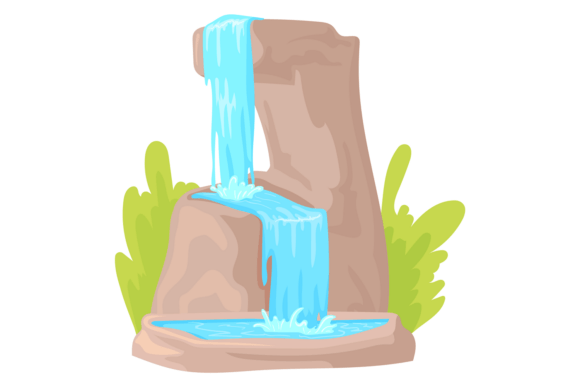
Decorative Waterfall Nature Element Guide
Integrating natural aesthetics into digital and physical designs often hinges on finding the right visual assets. A decorative waterfall nature element serves as a versatile component for creators seeking to evoke tranquility, movement, and organic beauty. Whether you are designing a website background, creating marketing materials for a spa, or developing educational content about ecosystems, the quality and format of your chosen asset matter significantly. This guide explores how different professionals and hobbyists can leverage these elements effectively, focusing on practical application rather than just aesthetic appeal.
Understanding the Asset Versatility
At its core, a decorative waterfall is more than just an image of flowing water. It is a design tool that communicates specific emotions and environmental contexts. When we refer to a nature element in this context, we are talking about isolated graphics that can be layered into larger compositions. The specific resource described as "Park water stream isolated on white background" available in EPS, JPG, SVG, and transparent PNG formats offers unique advantages depending on the file type selected.
For instance, the transparent PNG is invaluable for web designers who need to overlay the waterfall onto various backgrounds without dealing with complex masking tools. Meanwhile, the SVG and EPS formats provide vector scalability, ensuring that the image remains crisp whether it is scaled down for a mobile icon or enlarged for a billboard. Understanding these technical distinctions helps users choose the right version for their specific project needs.
Perspectives from Different Creators
The value of a decorative waterfall varies greatly depending on who is using it. Let us break down how different audiences might approach this asset.
For Graphic Designers and Marketers
Professionals in marketing and graphic design prioritize flexibility and quality. A marketer creating a brochure for a luxury resort needs an image that conveys serenity and high-end appeal. Here, the EPS or SVG format is critical because it allows for infinite scaling without pixelation. Designers can adjust the color palette of the vector file to match brand guidelines seamlessly.
Consider a scenario where a digital agency is building a landing page for an eco-friendly product. Using a high-resolution transparent PNG of a park water stream allows them to place the waterfall behind text blocks or product images without obstructing readability. The isolation on a white background simplifies the editing process, saving hours of manual cutout work. For these professionals, the primary metric is efficiency combined with visual fidelity.
For Web Developers and UI Designers
Web developers focus on performance and integration. While a beautiful waterfall image enhances user experience, large file sizes can slow down load times. A developer might prefer the SVG format for its small file size and code-based structure, which can be manipulated via CSS for interactive effects. For example, adding a subtle animation to the water flow can increase user engagement without heavy JavaScript libraries.
However, if the goal is a static hero image, a compressed JPG might be sufficient. The key is balancing aesthetic impact with technical constraints. Developers evaluate these assets based on how easily they can be implemented into the existing codebase and how they affect the overall site speed.
For Educators and Content Creators
Educators and bloggers often look for clarity and educational value. A teacher creating a presentation about the water cycle or local park ecosystems can use a clear, isolated image of a waterfall to illustrate concepts without visual clutter. The white background in the original asset makes it easy to insert into PowerPoint slides or Word documents without distracting borders.
Bloggers writing about mindfulness or nature therapy might use the image to break up text and provide a visual pause for readers. In this context, the emotional resonance of the image is more important than its technical specifications. The goal is to enhance the narrative, not dominate it.
For Small Business Owners and Entrepreneurs
Small business owners, particularly those in hospitality, wellness, or landscaping, need assets that reflect their brand identity. A spa owner might use the decorative waterfall on business cards, signage, or social media posts to communicate relaxation. For them, cost-effectiveness and ease of use are paramount. They may not have advanced design skills, so having access to multiple formats like JPG and PNG allows them to use the image across different platforms without needing specialized software.
An entrepreneur launching a new line of natural skincare products might use the waterfall imagery in packaging design. The vector formats allow for precise adjustments to fit irregular label shapes, ensuring a professional finish that builds consumer trust.
Evaluating Priorities: Quality vs. Convenience
When selecting a decorative waterfall nature element, several factors come into play. Here is how to weigh your options:
- Scalability: If you plan to use the image across various mediums, from business cards to banners, prioritize vector formats like SVG or EPS. These ensure sharpness at any size.
- Ease of Editing: Transparent PNGs are ideal for quick composites. If you lack advanced photo editing skills, this format saves time by removing the need for background removal.
- File Size: For digital projects where load speed matters, consider optimizing JPGs or using SVGs. Avoid uncompressed files unless necessary for print.
- Licensing and Usage Rights: Always verify that the asset allows for commercial use if you are integrating it into products or client work. This protects your business from legal issues.
Practical Application Examples
To help you decide if this asset fits your goals, consider these practical applications:
- Social Media Graphics: Use the transparent PNG to overlay the waterfall onto a solid color background with inspirational quotes. This creates shareable content for Instagram or Pinterest.
- Printed Brochures: Import the EPS file into Adobe Illustrator to create a custom pattern for a travel agency’s brochure. The vector nature ensures high-quality printing.
- Website Headers: Implement the SVG as a responsive header image for a nature blog. It will look crisp on both mobile devices and desktop screens.
- Educational Worksheets: Insert the JPG into a worksheet about local geography. The clear isolation helps students focus on the water feature without distraction.
Making the Right Choice for Your Project
Ultimately, the decision to use a decorative waterfall nature element depends on your specific project requirements. If you are a beginner, start with the JPG or PNG formats for their simplicity. As you gain confidence, explore the possibilities offered by vector files for more complex designs. Professionals should leverage the full range of formats to maximize efficiency and quality.
Remember that the best asset is one that aligns with your technical capabilities and creative vision. By understanding the strengths of each file type and considering your audience’s expectations, you can integrate natural elements into your work seamlessly. Whether you are aiming to soothe, inform, or sell, the right visual component can elevate your message and connect with your viewers on a deeper level.
Take time to assess your current project needs. Do you need speed? Choose the PNG. Do you need precision? Choose the SVG. By matching the tool to the task, you ensure that your final output is both professional and impactful.