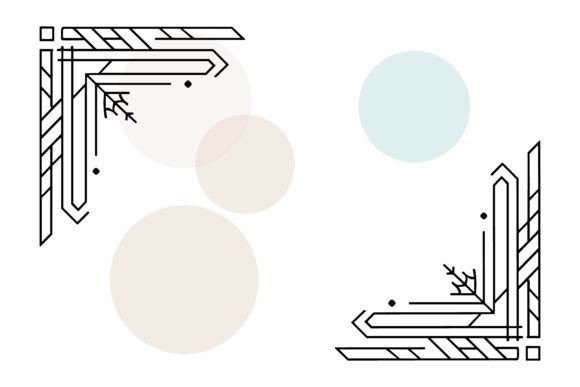
Elevate Layouts with Decorative Corner Frame Design
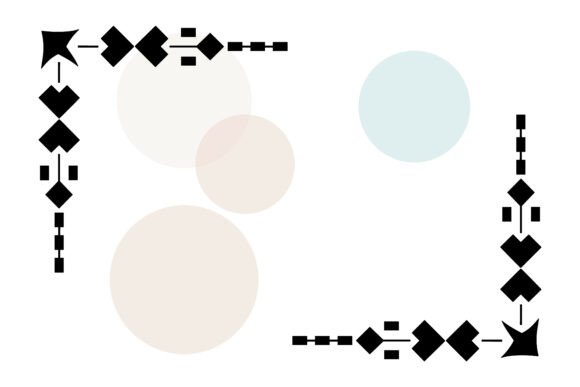
In the world of visual communication, details often speak louder than broad strokes. A decorative corner frame design serves as a subtle yet powerful tool for guiding the viewer’s eye and adding a layer of sophistication to any composition. Whether you are designing a wedding invitation, structuring a corporate report, or creating social media graphics, these vector elements provide the structural elegance that transforms a standard layout into a polished piece of art.
Unlike full borders, which can sometimes feel restrictive or heavy, corner frames offer flexibility. They define space without enclosing it, allowing your content to breathe while still maintaining a clear visual hierarchy. This balance is crucial for modern design, where whitespace is just as important as the elements themselves. By integrating high-quality vector illustrations into your workflow, you ensure that every project maintains a professional edge, regardless of the medium.
The Power of Vector Precision
When selecting graphic assets, the file format is just as critical as the aesthetic. A true decorative corner frame design must be scalable. This is where vector technology becomes indispensable. Raster images, such as standard JPEGs or PNGs, rely on pixels. When you enlarge them, they become blurry and pixelated, ruining the crispness of the design. Vectors, however, use mathematical paths to define shapes. This means you can scale a corner element from the size of a business card to a large-format banner without losing a single detail.
The specific package described here offers a meticulous crafting process, ensuring clean lines and scalable resolution. With files provided in EPS format, you gain access to 100 editable, color-changeable shapes. This level of customization is vital for branding consistency. If your brand guidelines specify a specific shade of navy blue or a muted gold, you can adjust the vector paths instantly in Adobe Illustrator or similar software. There is no need for complex masking or recoloring tools that often degrade image quality. The result is a crisp, professional asset that aligns perfectly with your visual identity.
Versatility Across Creative Projects
The utility of these designs extends far beyond simple decoration. Here is how professionals across various industries can leverage these assets:
- Print Media and Publishing: In magazine layouts or book covers, corner frames can highlight pull quotes, author bios, or chapter headings. The 300 DPI resolution ensures that when printed, the lines remain sharp and distinct, avoiding the fuzzy edges that plague lower-quality downloads.
- Branding and Identity: Logos and letterheads benefit from the structured elegance of corner elements. They can frame a company motto or surround a central icon, creating a sense of establishment and trust.
- Digital Marketing: For web designers and social media managers, these vectors can be exported as SVGs or high-resolution JPGs. They add visual interest to Instagram posts, Pinterest pins, or website headers without increasing load times significantly, provided they are optimized correctly.
- Event Stationery: Weddings, galas, and corporate events rely heavily on thematic consistency. A decorative corner can tie together invitations, menus, and place cards, creating a cohesive experience for guests.
Enhancing User Experience and Engagement
Beyond aesthetics, functional design plays a role in how users interact with content. A well-placed decorative corner frame design acts as a visual cue. It tells the reader, "Look here." This is particularly useful in educational materials or instructional guides where highlighting key information is necessary. By framing a critical statistic or a call-to-action button, you direct attention efficiently, improving comprehension and engagement.
Moreover, the psychological impact of ornate or structured design elements should not be underestimated. Intricate corners often convey tradition, luxury, and attention to detail. Minimalist, geometric corners suggest modernity and efficiency. By choosing the right style from the 100 vector shapes included in this package, you can subtly influence the perceived value of your product or service. This is a core principle of E-E-A-T (Experience, Expertise, Authoritativeness, and Trustworthiness) in content creation; the visual presentation supports the authority of the message.
Practical Considerations for Implementation
While these assets are designed for ease of use, successful implementation requires a keen eye for balance. Here are some practical tips for integrating these frames into your work:
- Maintain Proportion: Ensure the weight of the corner frame matches the weight of your typography. A heavy, ornate frame will overwhelm delicate, thin fonts. Conversely, a minimalist frame may get lost next to bold, blocky headlines.
- Respect Whitespace: Do not crowd the corner element against the edge of the page or screen. Give it room to breathe. This enhances the premium feel of the design and prevents the layout from looking cluttered.
- Color Harmony: Use the editable EPS files to match the frame color to your secondary brand colors rather than defaulting to black. This creates a more integrated and thoughtful design system.
- Consistency is Key: If you use a specific corner style on one page of a document, maintain that style throughout. Inconsistent design elements can confuse the reader and dilute brand recognition.
Why Quality Assets Matter
In an era where stock imagery is ubiquitous, standing out requires high-quality, unique elements. Generic clipart can make a brand appear amateurish. In contrast, a meticulously crafted decorative corner frame design signals professionalism. The inclusion of both EPS and JPG files in this package caters to different workflows. Designers who need full control will appreciate the EPS files for Adobe Illustrator, while those needing quick implementations for web or basic documents can utilize the high-resolution JPGs.
The RGB color mode ensures that the colors appear vibrant on screens, which is essential for digital-first brands. However, because the source is vector, converting to CMYK for print is a straightforward process that retains color accuracy. This dual-purpose functionality makes the asset a cost-effective investment for freelancers and agencies alike. You are not just buying a picture; you are buying a flexible design tool that adapts to your needs.
Ultimately, the goal of any design element is to serve the content. A decorative corner frame design should never distract from the message but rather enhance its delivery. By providing clean lines, scalable resolution, and editable features, these vector illustrations empower creators to produce work that is not only visually appealing but also functionally superior. Whether you are updating your brand identity or launching a new marketing campaign, incorporating these detailed elements can provide the professional polish that sets your work apart.
For those looking to expand their design toolkit, exploring these versatile vectors offers a tangible return on investment. They save time by eliminating the need to draw complex shapes from scratch and ensure consistency across all platforms. As you continue to create, remember that the smallest details often leave the lasting impression. Thank you for considering how these tools can elevate your next project.