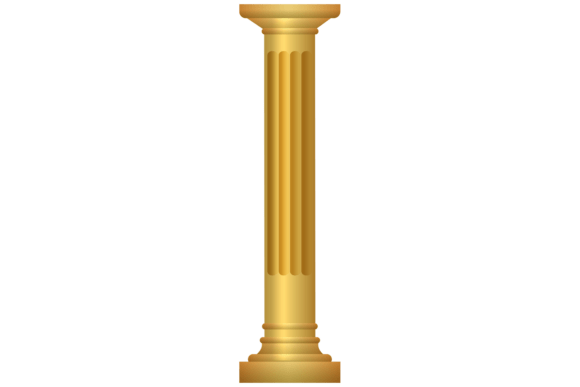
Golden Pillar. Decorative Architecture E: Elevating Exterior Design with Timeless Stone Elements
When you walk past a building that commands attention, it is rarely the paint color or the window frames that catch your eye first. It is often the structural rhythm—the columns, the pilasters, and the vertical lines that guide your gaze upward. This is where the Golden Pillar. Decorative Architecture E steps in, not just as a structural support, but as a definitive statement of style. Whether you are an architect looking to break the monotony of a flat facade or a homeowner dreaming of a grand entrance, understanding how to leverage this specific decorative element can transform a ordinary exterior into a landmark.
The term might sound technical, but the concept is deeply rooted in classical aesthetics adapted for modern application. The "Golden" aspect refers not necessarily to the material being made of gold, but to the warm, luminous quality of the stone finish, often achieved through high-quality EPS (Expanded Polystyrene) cores coated with durable, weather-resistant renders that mimic natural limestone or sandstone. The "E" designation typically categorizes the specific profile or series within a decorative architecture catalog, indicating a particular proportion, capital style, or base design that suits contemporary transitional homes.
Bridging the Gap Between Classical Grandeur and Modern Practicality
One of the most compelling reasons designers and builders are turning to elements like the Golden Pillar is the shift away from heavy, load-bearing masonry toward lightweight, versatile alternatives. In real-world scenarios, retrofitting an existing home with solid stone columns is a logistical nightmare. It requires heavy machinery, significant foundation reinforcement, and weeks of labor. In contrast, decorative architecture exterior stone elements isolated on white background EPS designs offer a plug-and-play solution.
Consider the scenario of a suburban renovation. A homeowner wants to add curb appeal to a boxy, two-story colonial. By installing these decorative pillars at the entryway, they create an instant portico effect. The visual weight is there, the shadow lines are deep and dramatic, but the physical burden on the structure is negligible. This allows for creative freedom that was previously reserved for high-budget commercial projects. You get the look of carved stone without the quarrying costs or the structural engineering headaches.
Versatility Across Industries and Applications
The utility of the Golden Pillar extends far beyond residential front porches. Its adaptability makes it a favorite among various industries looking to project stability, luxury, and tradition.
- Hospitality and Retail: Boutique hotels and high-end retail stores often use these elements to frame entrances. The psychological impact of a columned entrance suggests permanence and welcome. For a new restaurant opening in a strip mall, adding these decorative pillars can disguise the generic nature of the building, creating a bespoke identity that draws customers in.
- Event Venues and Wedding Locations: Outdoor wedding venues frequently utilize freestanding decorative pillars to define ceremony spaces. Because these elements are often available in formats like transparent PNG or JPG for digital planning, event designers can visualize the setup beforehand. On-site, the lightweight nature means they can be moved and reconfigured for different events, offering a reusable asset rather than a fixed construction cost.
- Interior Design Transitions: While marketed as exterior elements, many designers bring the Golden Pillar indoors to divide large open-plan living spaces. Using them to frame a fireplace or separate a dining area from a living room adds architectural interest without closing off the space with walls. The warm, golden hue of the finish complements both cool modern grays and warm earth tones.
Why the Format Matters: EPS, JPG, and Transparent PNG
You might wonder why file formats like EPS, JPG, and transparent PNG are mentioned alongside physical architecture. In today’s digital-first design process, the availability of these assets is crucial. Architects and interior designers spend hours creating renderings for clients. Having access to a high-resolution decorative architecture exterior stone element isolated on white background allows for seamless integration into mood boards and 3D models.
The EPS (Encapsulated PostScript) format is vital for vector-based design work, allowing scalability without loss of quality. This is essential when designing custom signage or large-scale banners that incorporate the pillar motif. Meanwhile, the transparent PNG is the workhorse for quick visualizations. A designer can drop the image of the Golden Pillar into a photo of a client’s current home to show exactly how the renovation will look. This bridges the gap between imagination and reality, helping clients make confident decisions before a single tool is lifted.
Practical Considerations Before You Choose
While the benefits are clear, there are practical factors to weigh before committing to this decorative solution. First, consider the scale. The Golden Pillar. Decorative Architecture E comes in specific proportions. If your ceiling height is standard eight feet, a towering column might look cramped and overwhelming. Conversely, in a double-height foyer, a petite pillar might look insignificant. Always measure twice and visualize the ratio of height to width.
Second, think about the finish and maintenance. Although EPS cores are lightweight and resistant to cracking, the outer coating determines longevity. High-quality finishes should be UV-stable to prevent fading, especially if the "golden" tone is achieved through pigment rather than natural stone veneer. In coastal areas, ensure the material is rated for salt-air resistance. While low maintenance compared to wood or iron, occasional cleaning with mild soap and water will keep the stone effect looking fresh and vibrant.
Third, evaluate the installation method. Most decorative pillars are designed to be adhered directly to existing surfaces using high-strength construction adhesives. However, for taller installations or those exposed to high winds, mechanical fastening may be necessary. Always consult the manufacturer’s guidelines. The ease of installation is a major selling point, but it does not negate the need for proper surface preparation. The wall must be clean, dry, and free of loose debris to ensure a bond that lasts for decades.
Aesthetic Impact and Emotional Resonance
Ultimately, the choice to include the Golden Pillar in your design is about more than just covering a blank wall. It is about creating a sense of arrival. There is a subconscious association between columns and importance. When guests approach a home or a business framed by these elegant structures, they feel a sense of anticipation and respect. The warm, golden tones evoke sunlight, warmth, and hospitality, setting a positive emotional tone before anyone even steps inside.
For the DIY enthusiast, this represents an achievable upgrade. Unlike complex masonry work that requires specialized skills, working with decorative EPS elements is forgiving. Mistakes can be corrected, and the learning curve is gentle. This democratization of classical architecture allows everyday people to infuse their surroundings with a touch of grandeur that was once the exclusive domain of the wealthy.
In a world of fleeting trends, the column remains a timeless symbol. The Golden Pillar. Decorative Architecture E updates this classic form for the modern era, combining aesthetic beauty with practical innovation. Whether you are enhancing a commercial storefront, renovating a family home, or designing a dream event space, this element offers a sophisticated solution that balances form, function, and feasibility. It is not just a piece of decor; it is a foundational element of character and style.