Integrating Floral Branch Decorative Nature Botany Into Your Creative Workflow
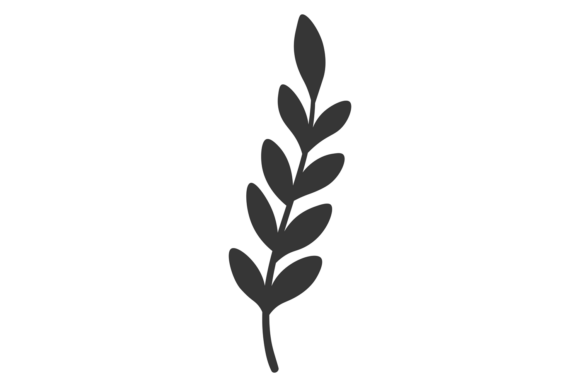
In the landscape of modern digital design, the distinction between a generic template and a bespoke visual experience often lies in the subtle details. Floral branch decorative nature botany assets serve as more than mere embellishments; they are functional components that can elevate branding, editorial layouts, and user interfaces. When you isolate a black botanical element on a white background, you are not just acquiring an image; you are securing a versatile tool that fits into various stages of a creative project. Understanding how to leverage these assets—available in formats like EPS, JPG, SVG, and transparent PNG—requires a shift from viewing them as static pictures to treating them as modular design elements.
The utility of these botanical illustrations extends across multiple disciplines. For marketers, they provide organic warmth to data-heavy reports. For web developers, SVG versions offer scalable graphics that load quickly without losing clarity. For educators and publishers, they add visual interest to textual content without distracting from the core message. The key to maximizing their value lies in understanding the technical specifications and integrating them seamlessly into your existing production pipeline.
Selecting the Right Format for Your Project Phase
One of the most critical decisions in your workflow is choosing the appropriate file format. Each format serves a distinct purpose within the lifecycle of a design project. Making the wrong choice early on can lead to unnecessary rework, reduced quality, or compatibility issues later in the process.
- EPS (Encapsulated PostScript): This vector format is ideal for the initial design and print preparation phases. If you are working with professional printing services or need to scale the floral branch to massive dimensions for signage, EPS ensures that edges remain crisp. It allows designers to manipulate individual nodes and curves, offering complete control over the shape and density of the botanical elements.
- SVG (Scalable Vector Graphics): For digital products, websites, and apps, SVG is the superior choice. These files are code-based, meaning they are lightweight and resolution-independent. Integrating an SVG floral branch into a web interface ensures it looks sharp on any device, from a smartphone to a 4K monitor. Furthermore, SVGs can be styled with CSS, allowing developers to change colors or add animations dynamically without creating new image files.
- Transparent PNG: This raster format is essential for compositing. When you need to overlay a floral branch onto a photograph, a colored background, or a textured surface, the transparent background eliminates the need for manual masking. It is particularly useful in social media graphics, presentation slides, and quick mockups where speed is prioritized over infinite scalability.
- JPG: While less flexible due to its solid white background, JPGs are useful for rapid previews or when file size is a strict constraint in non-critical applications. However, for professional workflows, relying on JPGs often requires additional editing steps to remove backgrounds, which reduces efficiency.
Pre-Production: Planning and Asset Organization
Effective use of floral branch decorative nature botany begins before you open your design software. A disorganized asset library leads to wasted time searching for the right element during tight deadlines. Establish a systematic approach to storing and categorizing these resources.
Start by auditing your current project requirements. Are you aiming for a minimalist aesthetic, or do you need dense, intricate botanical details? Black elements isolated on white backgrounds offer high contrast, making them suitable for monochromatic schemes or as masks for complex textures. Tag your files not just by type, but by style and complexity. For instance, categorize branches by "sparse," "dense," "curved," or "linear." This semantic organization allows you to retrieve the exact mood you need quickly.
Consider compatibility with your primary tools. If your team uses Adobe Illustrator, prioritize EPS and AI files. If your workflow is web-centric, ensure your SVGs are optimized and clean of unnecessary metadata. Preparing these assets in advance ensures that when inspiration strikes or a client requests a last-minute change, you can implement it without technical friction.
Implementation Strategies Across Different Mediums
Once your assets are organized, the next phase is integration. The way you apply a floral branch depends heavily on the medium and the intended audience. Here is how these elements interact with different design contexts.
Brand Identity and Marketing Materials
In branding, consistency is paramount. A floral branch can serve as a recurring motif in your visual identity system. Use the vector versions to create custom patterns for packaging, business cards, or letterheads. By adjusting the opacity or layering multiple branches, you can create depth and texture that feels organic rather than repetitive. When designing marketing collateral, place these elements strategically to guide the viewer’s eye toward key information, such as a call-to-action or a product image. The natural curves of botanical illustrations can soften rigid grid layouts, making the content feel more approachable and human.
Digital Interfaces and Web Design
For web designers, the challenge is balancing aesthetics with performance. Heavy image files can slow down load times, negatively impacting user experience and SEO rankings. This is where SVG floral branches shine. They can be embedded directly into HTML code, reducing HTTP requests. Use them as dividers between sections, as background accents in hero banners, or as icons for navigation menus. Because they are scalable, you can ensure accessibility by maintaining legibility at all sizes. Additionally, consider using CSS to add subtle hover effects, such as a color shift or slight rotation, to enhance interactivity without compromising usability.
Editorial and Educational Content
Publishers and educators often deal with dense text. Breaking up long paragraphs with relevant visual elements improves readability and retention. A black botanical illustration can serve as a chapter header, a drop cap ornament, or a marginalia detail. In educational materials, these images can help illustrate concepts related to nature, biology, or environmental science without the distraction of full-color photography. The simplicity of a black-on-white design ensures that the focus remains on the text while providing a visual anchor for the reader.
Quality Control and Consistency
Maintaining high standards throughout your project requires rigorous quality control. When using floral branch decorative nature botany assets, check for clean lines and smooth curves, especially in vector formats. Jagged edges or unnecessary anchor points can indicate poor-quality source files that may cause issues during scaling or printing.
Consistency in style is equally important. If you are using multiple botanical elements in a single design, ensure they share a similar line weight and level of detail. Mixing highly detailed, realistic branches with simple, stylized ones can create visual discord. Stick to a cohesive set of assets to maintain a professional appearance. If necessary, edit the vectors to unify the stroke width or simplify complex paths.
Color management is another critical factor. While the base element is black, you may need to adjust it to match your brand palette. Ensure that any color changes are applied globally if you are using symbols or styles in your design software. This allows for easy updates if the brand colors change in the future. For web use, verify that the colors display correctly across different browsers and devices.
Long-Term Value and Adaptability
Investing in high-quality botanical assets pays dividends over time. Unlike trend-specific graphics, nature-inspired designs have enduring appeal. A well-chosen floral branch can remain relevant in your toolkit for years, adapting to new projects and evolving brand identities. By mastering the technical aspects of these files—understanding when to use SVG versus PNG, how to optimize them for web, and how to integrate them into print workflows—you build a foundation for efficient and effective design.
Moreover, these elements encourage creativity. They invite experimentation with layout, composition, and negative space. As you become more familiar with their properties, you will find new ways to repurpose them, perhaps combining them with typography to create custom logos or using them as masks for video content. The versatility of floral branch decorative nature botany lies not just in their visual beauty, but in their ability to adapt to the diverse needs of modern creators.
Ultimately, the goal is to make these assets work for you, not against you. By planning ahead, choosing the right formats, and maintaining consistency, you can streamline your creative process and produce higher quality outcomes. Whether you are a freelancer managing multiple clients or part of a large marketing team, integrating these botanical elements thoughtfully will enhance your visual communication and strengthen your professional output.