Mastering the Decorative Border Picnic Scene Vector for Professional Design
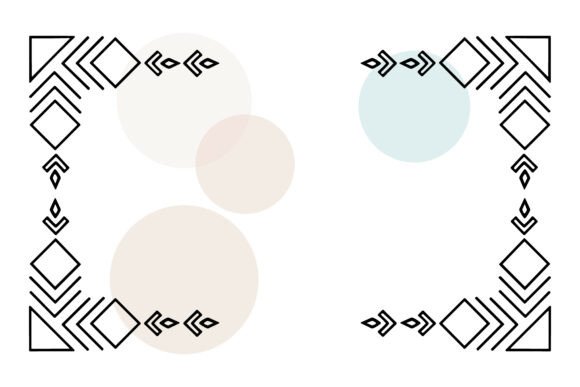
Visual storytelling is the backbone of effective branding and communication. When you are looking to evoke feelings of warmth, community, and leisure, few motifs work as universally as a picnic scene. However, integrating such imagery into professional layouts requires more than just dropping a clipart image onto a canvas. This is where a high-quality Decorative Border Picnic Scene Vector becomes an indispensable asset. Unlike standard raster images, vector graphics offer scalability and precision that are critical for maintaining design integrity across various media.
Many designers, from seasoned professionals to enthusiastic beginners, often underestimate the technical nuances of using vector illustrations. The result is frequently a final product that looks amateurish or fails to print correctly. By understanding the specific advantages of this graphic format and avoiding common pitfalls, you can ensure your creative projects stand out with polish and professionalism.
Understanding the Value of Vector Scalability
The primary reason to choose a Decorative Border Picnic Scene Vector over a JPEG or PNG is resolution independence. A common mistake among novice designers is selecting an image based solely on its visual appeal without checking its file type. If you use a raster image for a large-format print, such as a banner or a trade show backdrop, the image will pixelate and blur. This destroys the clean lines and professional edge that your brand needs to project.
With a vector file, typically in EPS format, every line and shape is defined by mathematical equations rather than pixels. This means you can scale the picnic scene border from the size of a business card to the side of a delivery van without any loss in quality. For entrepreneurs and small business owners, this versatility translates to cost efficiency. You do not need to purchase multiple versions of the same graphic for different applications; one well-crafted vector file serves all purposes.
Common Mistakes in File Preparation and Usage
Even when working with high-quality assets, errors in handling can compromise the final output. One frequent oversight is ignoring the color mode. Many users download a vector file and immediately place it into a document set for web use, only to find the colors look dull when printed. Conversely, using an RGB file for professional printing can lead to unexpected color shifts. The package described here includes files in RGB color mode, which is ideal for web designs and digital marketing materials. However, if you intend to print physical invitations or packaging, you must convert these colors to CMYK within your design software before sending them to the printer.
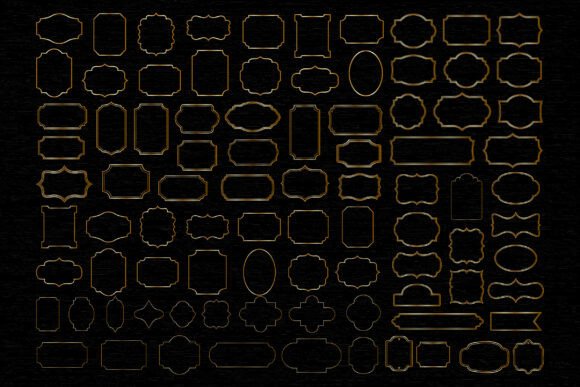
Another significant error is failing to utilize the editable nature of the file. A major advantage of this specific product is that it contains 100 editable, color-changeable shapes. Many users treat the vector as a static image, missing the opportunity to customize the palette to match their brand identity. For instance, if your brand uses pastel tones, you can easily adjust the vibrant greens and reds of the picnic scene to softer hues. Failing to do so results in a generic look that does not reinforce brand recognition.
Technical Compatibility and Software Requirements
Before downloading or purchasing any graphic asset, it is crucial to verify software compatibility. This Decorative Border Picnic Scene Vector comes in EPS format, which is widely supported by Adobe Illustrator and other similar vector editing software. A common misunderstanding is that EPS files can be edited in basic photo editors like Microsoft Paint or even standard versions of Photoshop without proper plugin support or conversion. While you can place an EPS file into Photoshop, you cannot easily edit the individual anchor points or change specific shape colors unless you rasterize it first, which defeats the purpose of using a vector.
To avoid frustration, ensure you have access to vector-based software. If you are a beginner, consider investing time in learning the basics of Adobe Illustrator or free alternatives like Inkscape. This knowledge allows you to fully leverage the 100 vector shapes included in the package. You can isolate specific elements, such as a single basket or blanket pattern, to create unique compositions rather than using the entire border as-is. This level of customization provides the professional edge that distinguishes high-end design from template-heavy layouts.
Optimizing for Web and Print Efficiency
Efficiency in design workflows is often overlooked. Using a complex vector with hundreds of unnecessary nodes can slow down your design software and increase file sizes for web usage. Although this graphic is meticulously crafted to ensure clean lines, it is still important to optimize your final export. When preparing the picnic scene for web use, export it as a JPG or SVG at the appropriate resolution. The package includes a high-resolution JPG at 300 DPI, which is suitable for quick previews or simple web placements where editing is not required.
However, for maximum flexibility, always keep the original EPS file archived. A best practice is to maintain a library of your core assets in their native vector format. This ensures that if a client requests a change two years from now, you can reopen the file and make adjustments instantly. Losing the source vector file forces you to recreate the design or purchase it again, wasting both time and money.
Checking Quality Before Implementation
When evaluating a Decorative Border Picnic Scene Vector, look for specific indicators of quality. Clean lines are essential; zoom in closely to check for jagged edges or overlapping paths that were not properly merged. High-quality vectors should have smooth curves and consistent stroke widths. The product described here emphasizes meticulous crafting, ensuring that each element aligns perfectly. This attention to detail prevents issues during cutting processes, such as vinyl cutting for stickers or decals, where imperfect paths can cause machine errors.
Additionally, verify the organization of layers and groups within the file. A well-structured vector file allows you to quickly select and modify individual components. If the file is disorganized, spending hours untangling grouped elements can kill your productivity. Always open the file in your preferred software immediately after download to confirm that all 100 shapes are accessible and editable. This proactive step saves you from discovering compatibility issues right before a deadline.
In conclusion, integrating a Decorative Border Picnic Scene Vector into your projects offers a blend of aesthetic charm and technical robustness. By avoiding common mistakes related to color modes, software compatibility, and file management, you can maximize the value of this asset. Whether you are designing wedding invitations, branding for a cafe, or social media graphics, taking the time to understand and properly utilize vector graphics will elevate your work. Remember to customize the colors, respect the technical requirements of your output medium, and keep your source files organized. These practices ensure that your designs remain versatile, professional, and impactful.