Metal Hairpin with Flower: Decorative Fe and the Art of Modern Accessory Design
In an era where personal style is increasingly curated through digital lenses, the humble hair accessory has undergone a quiet but significant renaissance. Among the myriad options available to consumers and creators alike, the Metal Hairpin with Flower. Decorative Fe stands out not merely as a functional tool for securing hair, but as a statement piece that bridges traditional craftsmanship with contemporary aesthetic demands. This specific type of accessory—characterized by its delicate metalwork and floral motifs—has transcended its role as a simple utility item to become a focal point in fashion photography, graphic design assets, and everyday elegance.
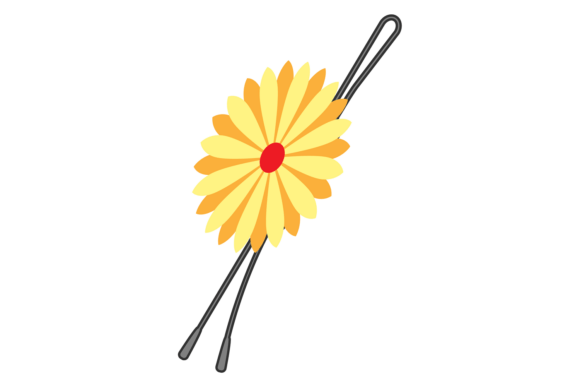
The relevance of this accessory extends beyond the vanity table. For designers, marketers, and content creators, understanding the visual and cultural weight of such items is crucial. The demand for high-quality visual representations, such as a decorative feminine hairstyle accessory isolated on white background, reflects a broader shift in how products are marketed and consumed in the digital marketplace. Whether you are a boutique owner looking to elevate your brand imagery or a hobbyist interested in the nuances of accessory design, exploring the intersection of metalcraft and floral decoration offers valuable insights into current consumer preferences.
The Evolution of Functional Elegance
Historically, hairpins were strictly utilitarian, designed to keep hair contained during labor or formal events. However, the modern interpretation of the metal hairpin with flower details represents a shift toward "functional art." Consumers today are not just buying a product; they are buying into an aesthetic narrative. The use of iron (Fe) and other metals allows for intricate detailing that plastic or wood cannot easily replicate. This durability combined with delicate floral designs creates a juxtaposition that appeals to a wide demographic, from young professionals seeking subtle office-appropriate accessories to brides looking for timeless elegance.
This evolution is driven by a growing appreciation for artisanal quality. In a market saturated with mass-produced goods, items that showcase visible craftsmanship—such as the textured finish of metal petals or the precise welding of a stem—carry a perceived higher value. This trend aligns with the broader "slow fashion" movement, where buyers prioritize longevity and design integrity over fast-changing trends. The metal hairpin, therefore, becomes a symbol of mindful consumption, offering a durable alternative to disposable fashion accessories.
Visual Assets and the Digital Marketplace
For entrepreneurs and digital marketers, the way a product is presented is often as important as the product itself. This is where the technical specifications of product imagery come into play. A decorative feminine hairstyle accessory isolated on white background is not just a photograph; it is a versatile asset. When provided in formats like EPS, JPG, SVG, and transparent PNG, these images serve multiple functions across different platforms.
- JPG: Ideal for web galleries and social media posts where file size and loading speed are priorities.
- PNG: Essential for e-commerce listings, allowing the hairpin to be placed over various colored backgrounds without a distracting box around it.
- SVG and EPS: Critical for graphic designers who need scalable vector graphics for branding materials, packaging design, or large-format printing without loss of quality.
The availability of these diverse formats indicates a sophisticated understanding of user needs. A blogger might need a transparent PNG to overlay the hairpin onto a lifestyle image, while a packaging designer requires an EPS file to ensure the floral details remain crisp on a small box. By catering to these technical requirements, sellers and creators demonstrate professionalism and attention to detail, which builds trust with their audience.
Integrating Accessories into Modern Workflows
Beyond retail, the imagery and design of metal hairpins with flowers have found a place in creative workflows. Content creators, particularly those in the lifestyle and beauty niches, rely on high-quality stock assets to maintain a consistent visual identity. The clean, isolated look of a metal hairpin against a white background provides a neutral yet elegant element that can enhance blog headers, newsletter banners, and instructional guides.
For educators and tutorial creators, these assets are invaluable. When teaching hairstyling techniques, having clear, distraction-free images of the tools being used helps learners focus on the method rather than the environment. The metallic sheen of the hairpin, when captured correctly, also adds a touch of luxury to educational materials, elevating the perceived quality of the instruction.
Moreover, the versatility of the Metal Hairpin with Flower. Decorative Fe allows it to fit into various thematic campaigns. It can be positioned as a vintage-inspired piece for a retro-themed collection or as a minimalist accent for a modern, clean aesthetic. This adaptability makes it a safe yet stylish choice for businesses looking to expand their accessory lines without committing to a fleeting trend.
Practical Implications for Buyers and Creators
For the everyday consumer, choosing a metal hairpin with floral decorations involves considering both form and function. Metal pins are generally more secure than plastic ones, making them suitable for thicker or heavier hair types. However, the weight and balance of the pin are crucial. A well-designed metal hairpin will distribute weight evenly, preventing slippage and discomfort during extended wear.
From a maintenance perspective, metal accessories require specific care to preserve their luster. Unlike plastic, which can be wiped down easily, metal may tarnish over time if exposed to moisture or harsh chemicals. Educating customers on proper care—such as storing the pins in a dry place and avoiding contact with perfumes or hairsprays—can extend the life of the product and enhance customer satisfaction.
For creators and business owners, the key takeaway is the importance of context. When marketing these items, it is essential to highlight not just the visual appeal but also the practical benefits. Showcasing the hairpin in use, demonstrating its hold, and explaining the material quality can convert casual browsers into loyal customers. Additionally, providing high-resolution, multi-format images ensures that your product looks professional across all touchpoints, from mobile screens to print catalogs.
Future Trends in Accessory Design
Looking ahead, the demand for personalized and meaningful accessories is likely to grow. The metal hairpin with flower motifs may evolve to include customizable elements, such as interchangeable floral heads or engraved metal stems. This would allow users to create unique combinations that reflect their personal style or special occasions.
Sustainability will also continue to influence design choices. Using recycled metals and eco-friendly packaging can appeal to environmentally conscious consumers. Furthermore, the integration of technology, such as QR codes on packaging that link to styling tutorials or care instructions, can enhance the user experience and provide added value.
In conclusion, the Metal Hairpin with Flower. Decorative Fe is more than a simple accessory; it is a reflection of changing consumer values, technological advancements in digital marketing, and a renewed appreciation for craftsmanship. By understanding the multifaceted nature of this product—from its physical construction to its digital representation—professionals and enthusiasts alike can better navigate the evolving landscape of fashion and design. Whether you are designing, selling, or simply wearing these pieces, recognizing their significance allows for a more informed and engaging interaction with the world of personal style.