Open Scissors Cutting Through Decorative: A Guide to Professional St. Patrick’s Day Design
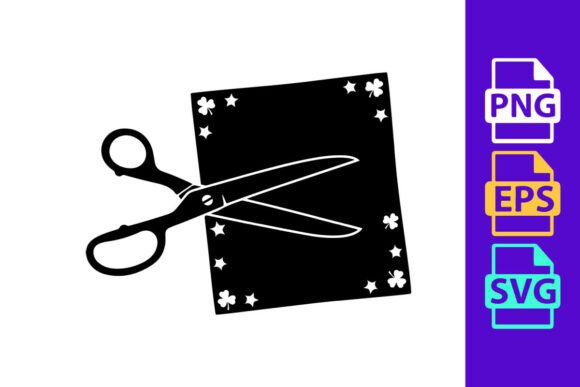
Celebrating the spirit of St. Patrick’s Day requires more than just slapping a shamrock on a white background. It demands design elements that convey festivity, precision, and quality. This is where Open Scissors Cutting Through Decorative clip art becomes an essential asset for creators. Featuring clean, bold line work and festive Irish-inspired elements, this design offers a sophisticated alternative to cluttered, heavy-shaded graphics. Whether you are designing party invitations, t-shirts, stickers, or classroom materials, understanding how to properly utilize this artwork can significantly elevate your final product.
However, many designers, especially those new to vector graphics or print-on-demand services, overlook critical technical details. These oversights can lead to poor print quality, wasted materials, and frustrated customers. By understanding the common pitfalls associated with using decorative clip art, you can ensure your St. Patrick’s Day projects look professional and polished.
Misunderstanding Vector Scalability and Resolution
One of the most frequent mistakes creators make is assuming all digital images are created equal. Many beginners download low-resolution JPEGs from free sources, only to find them pixelated when printed on a large banner or a t-shirt. The Open Scissors Cutting Through Decorative design is specifically crafted with a crisp vector structure, but this advantage is lost if not handled correctly.
When you use a raster image (like a standard PNG) at a size larger than its original dimensions, it becomes blurry. This is particularly damaging for line art, where clarity is paramount. If you are creating merchandise for sale, such as decals or apparel, a blurry image signals low quality to potential buyers. It undermines the perceived value of your product and can harm your brand reputation.
The Better Approach: Always prioritize the SVG or EPS files included in your download package. These formats are fully scalable, meaning you can resize the scissors and decorative elements from a small sticker to a large wall decal without any loss in quality. Use the high-resolution 300 DPI PNG only when your software does not support vector imports, and ensure you never upscale it beyond its native 5000 x 5000 px canvas size.
Overlooking Color Customization Potential
Another common error is using the clip art exactly as it appears in the preview, without considering how it fits into your specific color palette. St. Patrick’s Day is traditionally associated with green, gold, and white, but modern design trends often incorporate navy, black, or pastel variations. Using a rigid, pre-colored image can limit your creative flexibility and make your design look generic.
Many users do not realize that vector files like SVG and EPS are easily editable. They struggle with complex shading in other graphic types, but this clip art features clean, bold lines with no heavy shading. This makes it incredibly easy to recolor. Failing to customize the colors means missing an opportunity to align the design with your brand identity or the specific theme of your event.
Practical Advice: Open the SVG file in popular design software such as Adobe Illustrator, Inkscape, or Canva (with Pro features). Ungroup the elements if necessary and change the stroke or fill colors to match your project. For example, a gold outline on a navy background creates a luxurious feel for evening event invitations, while bright green on white works perfectly for classroom materials.
Neglecting Print-Ready Specifications
For entrepreneurs using Print-on-Demand (POD) platforms, ignoring file specifications is a costly mistake. POD providers have strict requirements regarding resolution, background transparency, and color profiles. Uploading a file with a white background when a transparent one is needed results in unsightly white boxes around your design. Similarly, using a low-DPI file leads to fuzzy prints that customers are likely to return.
The Open Scissors Cutting Through Decorative clip art comes with a transparent background PNG at 300 DPI, which is the industry standard for high-quality printing. However, some users inadvertently compress these files when emailing them to themselves or saving them through incompatible software, reducing the quality before it even reaches the printer.
What to Check: Before uploading to any POD platform, verify that your file retains its transparency and resolution. Use the provided PDF for a quick visual check of how the design should look when printed. If you are using cutting machines for stickers or decals, ensure you are using the SVG file, as it provides clean vector paths that machines can follow precisely without jagged edges.
Failing to Match the Design to the Medium
Not every design works well on every medium. A common oversight is using intricate details on small items like keychains or small stickers, where the details become indistinguishable. Conversely, using overly simple designs on large posters can look empty and unengaging. The balanced details of this clip art make it versatile, but it still requires thoughtful application.
For instance, if you are creating t-shirt apparel, consider the placement and size. The bold line work of the scissors and decorative elements stands out well on fabric, but if scaled down too much, the "cutting through" effect may be lost. On the other hand, for greeting cards, the same design can be used at a larger scale to create a focal point surrounded by text.
Strategic Tip: Test your design at actual size before finalizing. Print a sample on regular paper if possible. For digital uses, zoom in to 100% to check for clarity. This simple step can save you from producing hundreds of units with a design that doesn’t translate well to the chosen medium.
Ignoring Licensing and Usage Rights
Finally, many creators fail to read the licensing terms associated with clip art. While this design is suitable for commercial and personal use, it is crucial to understand what that entails. Some licenses prohibit reselling the clip art as-is, while others allow it as part of a larger design. Misunderstanding these terms can lead to legal issues or account suspensions on marketplaces.
Best Practice: Always review the license agreement included with your download. Ensure that your intended use—whether it’s for selling t-shirts, creating digital invitations, or educational materials—is covered. When in doubt, contact the creator for clarification. This due diligence protects your business and ensures you can confidently market your St. Patrick’s Day creations.
In conclusion, the Open Scissors Cutting Through Decorative clip art is a powerful tool for celebrating St. Patrick’s Day with style and professionalism. By avoiding common mistakes related to scalability, color customization, print specifications, medium suitability, and licensing, you can maximize the potential of this design. Take the time to understand the files you are working with, and your creative projects will reflect the quality and care that your audience deserves.