Dead Tree Branch Design Assets
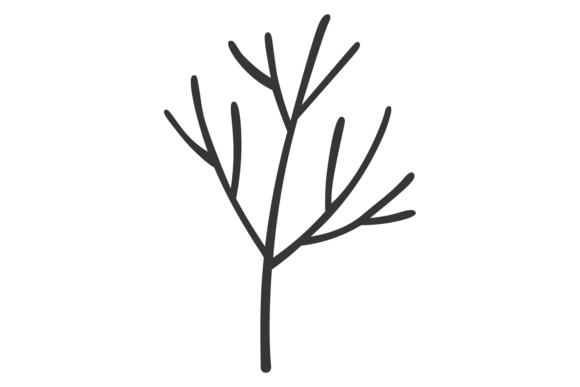
In the realm of modern visual communication, texture and organic imperfection often carry more emotional weight than polished perfection. A Dead Tree Branch. Dry Wood Decorative El serves as a powerful tool for designers seeking to inject authenticity, rustic charm, or minimalist elegance into their work. This specific type of asset, particularly when available as a Dead tree branch. Dry wood decorative element isolated on white background EPS, JPG, SVG, transparent PNG., offers unparalleled versatility for creative professionals who value precision and adaptability in their design workflow.
From a professional graphic design perspective, incorporating natural elements like dried wood is not merely about adding decoration; it is about establishing a tactile connection with the audience. These assets bridge the gap between digital flatness and physical reality, enhancing the overall user experience by providing visual cues that feel grounded and real. Whether you are working on branding, editorial design, or web interfaces, understanding how to leverage these organic shapes can significantly elevate your creative projects.
Enhancing Brand Identity with Organic Textures
Brand identity relies heavily on consistency and distinctiveness. Using a dead tree branch as a core visual motif can help define a brand’s personality, especially for businesses in sectors like eco-friendly products, artisanal goods, wellness, or luxury hospitality. The intricate lines and weathered textures of dry wood convey resilience, history, and natural beauty. When integrated into logo design or packaging design, these elements create a memorable visual hierarchy that draws the eye without overwhelming the message.
For instance, in packaging design, a subtle overlay of a branch silhouette can add depth to an otherwise minimal label. In social media graphics, such elements can frame text or separate content sections, guiding the viewer’s attention naturally. The key is to ensure that the organic shape complements the typography and color palette rather than competing with them. A well-chosen branch element can soften harsh geometric layouts, creating a balanced composition that feels both modern and timeless.
Versatile Applications Across Digital and Print Media
The true value of high-quality vector and raster assets lies in their flexibility. Having access to multiple file formats ensures that the design element performs optimally across various mediums. Here is how you can effectively utilize these assets in different contexts:
- Web and UI Design: Use SVG files for scalable icons or background patterns that load quickly and remain crisp on all screen sizes. This improves UX design by maintaining visual clarity without sacrificing performance.
- Editorial Design: Incorporate high-resolution JPGs or transparent PNGs into magazine layouts or brochures to break up text blocks and add visual interest. The contrast between clean typography and rough wood textures creates dynamic tension.
- Digital Marketing: Leverage these elements in email newsletters and online ads to stand out in crowded feeds. The unique aesthetic can increase click-through rates by offering a refreshing departure from standard corporate imagery.
- Print Materials: Utilize EPS files for large-format printing such as banners or trade show displays. Vector formats ensure that edges remain sharp regardless of scale, preserving professional presentation standards.
Selecting the Right Asset for Your Project
When choosing a decorative element, consider the specific mood you wish to evoke. A gnarled, complex branch might suit a rugged, outdoor-themed campaign, while a slender, minimalist twig could better align with a sophisticated, high-end beauty brand. Evaluate the asset based on its compatibility with your existing brand system. Does the tone of the wood match your color palette? Is the level of detail appropriate for the intended viewing distance?
Furthermore, pay attention to technical quality. A transparent PNG allows for seamless layering over colored backgrounds, while an SVG provides infinite scalability for responsive web design. Ensuring that your creative assets are optimized for their specific use case prevents common pitfalls like pixelation or excessive file sizes, which can hinder both aesthetics and functionality.
Ultimately, the integration of natural elements like dead tree branches into graphic design is about storytelling. It invites the viewer to pause and appreciate the details, fostering a deeper engagement with the content. By thoughtfully selecting and applying these decorative elements, designers can create richer, more resonant visual experiences that transcend trends and leave a lasting impression. Quality assets are not just fillers; they are foundational components of effective visual communication that enhance both the beauty and clarity of your message.