Decorative Chinese Cloud Label: Eastern Festival Style Assets for Modern Design
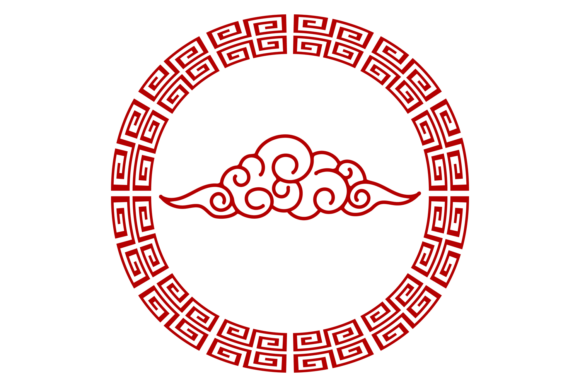
In the realm of graphic design, cultural motifs serve as powerful visual shorthand. Among these, the Decorative Chinese Cloud Label stands out as a versatile element that bridges traditional aesthetics with contemporary layout needs. This specific asset, often categorized under Eastern festival styles, is not merely a decorative flourish but a functional design component. When isolated on a white background and provided in multiple formats such as EPS, JPG, SVG, and transparent PNG, it becomes an indispensable tool for designers seeking authenticity without the hassle of manual illustration.
The appeal of this label lies in its dual nature. It carries the weight of historical symbolism while offering the flexibility required for modern digital and print applications. For professionals ranging from marketing agencies to independent creators, understanding the nuances of this asset can significantly enhance the quality and cultural resonance of their projects.
Understanding the Aesthetic and Symbolism
The cloud motif in Chinese art is far more than a representation of weather. Historically, these stylized clouds, known as xiangyun, symbolize good fortune, harmony, and the divine. They are frequently associated with celestial realms and auspicious occasions. When applied to a label format, these curves and spirals create a frame that draws the eye inward, making them ideal for highlighting text, logos, or product names.
The "Eastern festival style" designation implies a specific vibrancy and intricacy. Unlike minimalist modern icons, these labels often feature detailed linework and balanced symmetry. The Decorative Chinese Cloud Label captures this essence by utilizing flowing lines that suggest movement and continuity. This makes it particularly effective for projects related to Lunar New Year, Mid-Autumn Festival, or any brand identity that wishes to convey elegance, tradition, and premium quality.
Technical Versatility and File Formats
The true value of a digital design asset is determined by its usability across various platforms. The provision of this label in EPS, JPG, SVG, and transparent PNG formats addresses the diverse needs of modern workflows. Each format serves a distinct purpose, ensuring that the designer is never limited by technical constraints.
- EPS (Encapsulated PostScript): This vector format is essential for professional print work. It allows for infinite scalability without loss of quality, making it suitable for large-format printing such as banners, packaging, and signage. Designers can easily modify colors and shapes within vector editing software like Adobe Illustrator.
- SVG (Scalable Vector Graphics): As web standards evolve, SVG has become crucial for responsive web design. It ensures that the Decorative Chinese Cloud Label remains crisp on high-resolution displays and mobile devices, while keeping file sizes small for faster loading times.
- Transparent PNG: This raster format is invaluable for quick compositing. With the background already removed, designers can drag and drop the label into Photoshop, Canva, or other tools without spending time on masking. It is ideal for social media graphics, digital invitations, and web overlays.
- JPG: While less flexible due to its solid background, the JPG version offers compatibility with virtually every image viewer and editor. It is useful for quick previews or when working in environments where vector support is limited.
Having all four formats available in a single package eliminates the need to convert files manually, which often results in quality degradation. This comprehensive approach reflects a deep understanding of user needs, saving time and reducing friction in the creative process.
Practical Applications in Branding and Marketing
For marketers and small business owners, the challenge often lies in creating distinctive branding that resonates with specific demographics. The Decorative Chinese Cloud Label offers a ready-made solution for brands targeting Asian markets or those aiming for an exotic, luxurious aesthetic. Its application extends beyond seasonal greetings.
In packaging design, this label can serve as a seal of quality or a decorative border around product information. For food and beverage brands, especially those specializing in tea, spices, or gourmet snacks, the cloud motif reinforces the origin and authenticity of the product. In the context of event planning, it provides an elegant framework for menus, place cards, and invitations, elevating the perceived value of the event.
Bloggers and content creators also benefit from this asset. Using the label as a header graphic or a divider between sections can add visual interest to long-form articles. It helps break up text and guides the reader’s eye, improving readability while maintaining a cohesive thematic style. For educators teaching cultural studies or art history, these high-quality images serve as excellent visual aids for discussing traditional Chinese art forms.
Evaluating Quality and Usability
When assessing the effectiveness of the Decorative Chinese Cloud Label, several factors come into play. First is the precision of the vector paths. High-quality EPS and SVG files should have clean anchor points and smooth curves. Jagged edges or unnecessary complexity can cause issues when scaling down for small prints or favicons.
Second, the color palette matters. While many traditional designs use red and gold, a versatile asset should allow for easy recoloring. The vector formats enable designers to adapt the label to their brand colors seamlessly. If the asset is rigidly locked into traditional colors, its utility decreases for modern, minimalist brands that may prefer monochrome or pastel variations.
Usability is further enhanced by the isolation on a white background. This standard presentation ensures that the design elements are clearly visible and easy to select. For non-designers using template-based tools, the transparent PNG is a critical feature. It removes the barrier of technical skill, allowing users to achieve professional-looking results with minimal effort.
Who Benefits Most from This Asset?
This design element is not universally applicable, but it is highly valuable for specific groups. Freelance graphic designers will find it a time-saving resource for client projects requiring Asian-inspired themes. Small business owners in the import/export sector, particularly those dealing with cultural goods, can use it to enhance their packaging and marketing materials.
Publishers and editors working on literature or travel guides focused on East Asia can utilize the label for chapter headings or section breaks. Additionally, wedding planners and stationery designers will appreciate the elegance it brings to invitation suites. The key is recognizing that this is a niche asset with broad applicability within that niche.
Limitations and Considerations
While the Decorative Chinese Cloud Label is a powerful tool, it is not without limitations. Designers must be mindful of cultural context. Using traditional motifs inappropriately or without understanding their significance can lead to accusations of cultural insensitivity. It is essential to use the asset respectfully and in contexts that honor its origins.
Furthermore, overuse can dilute its impact. Because the design is intricate, it works best as an accent rather than a dominant background pattern. Cluttering a layout with too many cloud labels can overwhelm the viewer and obscure the primary message. Balance and whitespace are crucial when integrating such detailed elements.
Another consideration is trend longevity. While traditional motifs have enduring appeal, design trends shift. What is popular today may feel dated in a few years. However, because this asset is rooted in centuries-old artistic traditions, it is less susceptible to fleeting trends compared to modern stylistic fads. This contributes to its long-term value as a design resource.
Final Thoughts on Integration
Integrating the Decorative Chinese Cloud Label into your workflow requires a strategic approach. Start by identifying where a touch of elegance or cultural specificity is needed. Use the vector formats for foundational design work and the raster formats for quick digital deployments. Always ensure that the color scheme aligns with your overall brand identity.
Ultimately, this asset represents a convergence of tradition and technology. It offers a bridge between the rich heritage of Eastern art and the demands of modern digital communication. For those willing to explore its potential, it provides a reliable, high-quality solution for enhancing visual storytelling. Whether you are designing a luxury product package or a festive social media post, this label offers the structural beauty and symbolic depth needed to make a lasting impression.