Evaluating the Aesthetic and Functional Value of Garden Fountains with Decorative Stone Statues
The integration of water features into outdoor spaces has long been a hallmark of sophisticated landscape design. Among the various options available to homeowners, landscape architects, and creative professionals, the Garden Fountain with Decorative Stone St—often characterized by its classical motifs and durable construction—stands out as a versatile asset. Whether you are curating a serene backyard retreat or sourcing visual assets for a digital project, understanding the nuances of this specific design element is crucial. This analysis explores the practical implications, aesthetic benefits, and technical considerations of incorporating stone statue fountains into both physical gardens and digital media workflows.
The Enduring Appeal of Stone and Water
At its core, a garden fountain serves multiple purposes: it acts as a focal point, masks unwanted ambient noise, and introduces a dynamic element to static landscaping. When combined with decorative stone statues, the feature transcends mere functionality to become a piece of art. The term "Stone St" in this context typically refers to stone statues or stone structures that mimic natural rock formations while providing structural integrity for water circulation.
The primary strength of this combination lies in its timeless aesthetic. Unlike modern metallic or plastic fixtures, stone blends seamlessly with organic environments. It ages gracefully, often developing a patina that enhances its character over time. For professionals in the home staging or real estate sectors, installing such a feature can significantly elevate the perceived value of a property. It suggests permanence, care, and an appreciation for traditional design principles. However, the appeal is not limited to physical installation. For graphic designers and marketers, the visual representation of these fountains offers a powerful symbol of tranquility and luxury.
Digital Assets: From EPS to Transparent PNG
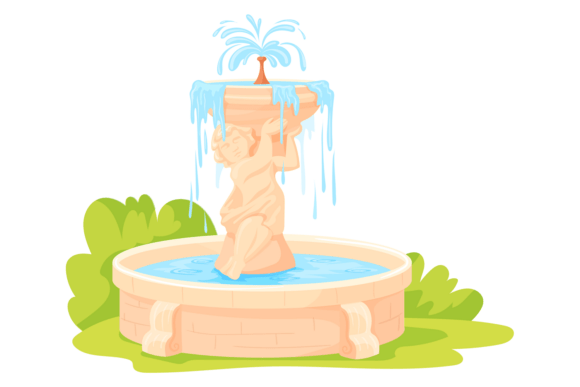
In the digital realm, the demand for high-quality imagery of garden elements is substantial. Marketers, bloggers, and content creators frequently require visuals that convey specific moods without the logistical burden of organizing a photoshoot. This is where the availability of a garden fountain with decorative stone statues cartoon icon isolated on white background becomes highly relevant. These digital assets come in various formats, including EPS, JPG, SVG, and transparent PNG, each serving distinct professional needs.
The SVG (Scalable Vector Graphics) format is particularly valuable for web developers and UI/UX designers. Because vectors are resolution-independent, they allow for crisp rendering on any screen size, from mobile devices to large desktop monitors. This ensures that the intricate details of the stone statues remain sharp, maintaining professional presentation standards. Meanwhile, the transparent PNG format is indispensable for graphic designers who need to overlay the fountain image onto different backgrounds without the hassle of manual editing. This flexibility accelerates workflow efficiency, allowing creators to produce marketing materials, social media posts, or educational content more rapidly.
For those requiring photorealistic representations, high-resolution JPG files provide the necessary detail and color depth. These are ideal for blog headers, email newsletters, and print brochures where visual fidelity is paramount. The availability of these varied formats ensures that the visual identity of a brand or project can remain consistent across multiple platforms, reinforcing brand recognition and user engagement.
Practical Considerations for Physical Installation
While digital assets offer convenience, the physical installation of a garden fountain with decorative stone statues requires careful planning. One of the most critical factors is weight distribution. Stone is dense and heavy, necessitating a solid, level foundation to prevent sinking or tilting over time. Professionals recommend using a concrete pad or compacted gravel base, especially for larger units. Ignoring this step can lead to structural failure, cracking, or uneven water flow, which detracts from the fountain’s effectiveness.
Another key consideration is maintenance. While stone is durable, it is porous. In colder climates, water trapped within the stone can freeze and expand, causing cracks. To mitigate this risk, users should consider sealing the stone with a high-quality penetrative sealer. Additionally, the pump mechanism requires regular cleaning to prevent clogging from algae or debris. A well-maintained fountain operates quietly and efficiently, whereas a neglected one can become a source of frustration due to noise and poor performance.
Placement also plays a vital role in maximizing the fountain’s impact. Ideally, it should be positioned where it can be seen and heard from primary living areas, such as patios or living room windows. However, it should not be placed directly under trees that shed leaves excessively, as this increases maintenance burdens. Balancing visibility with practicality ensures that the fountain remains a cherished feature rather than a chore.
Who Benefits Most from This Feature?
The utility of a garden fountain with decorative stone statues extends beyond simple aesthetics. Several groups stand to gain significant value from integrating this element into their projects or personal spaces.
- Landscape Architects and Designers: These professionals can use stone fountains to create focal points in large gardens, breaking up monotony and adding vertical interest. The classical look appeals to clients seeking traditional or Mediterranean-style landscapes.
- Real Estate Stagers: A functioning fountain adds sensory appeal to open houses. The sound of flowing water creates a calming atmosphere, helping potential buyers envision themselves relaxing in the space.
- Content Creators and Marketers: Access to high-quality digital icons and images of these fountains allows for the creation of engaging content related to wellness, home improvement, and luxury living. The versatility of SVG and PNG formats supports diverse design needs.
- Hospitality Businesses: Hotels, spas, and restaurants often use stone fountains to enhance their ambiance. The combination of natural materials and soothing sounds contributes to a premium guest experience.
Evaluating Long-Term Value and Reliability
When assessing the long-term value of a garden fountain, durability and consistency are paramount. High-quality stone statues resist weathering better than cheaper resin alternatives, which may fade or become brittle under UV exposure. Although the initial investment for stone is higher, the longevity often justifies the cost. A well-constructed fountain can last for decades with proper care, offering a strong return on investment in terms of property value and personal enjoyment.
Reliability also depends on the quality of the internal components. Submersible pumps vary widely in performance. Opting for a pump with adjustable flow rates allows users to customize the sound and visual effect of the water. A gentle trickle may be preferred for meditation spaces, while a more vigorous flow might suit larger, open areas. Ensuring that replacement parts are readily available is another practical consideration that affects long-term usability.
Furthermore, the aesthetic consistency of the stone statue is crucial. Mass-produced items may lack the intricate detailing found in hand-carved pieces. For discerning buyers, examining the craftsmanship before purchase is essential. The texture, color variation, and proportion of the statue should complement the surrounding architecture and landscaping. A mismatched style can disrupt the visual harmony of the space, reducing the overall effectiveness of the design.
Making the Right Choice for Your Needs
Deciding whether a garden fountain with decorative stone statues fits your needs involves weighing aesthetic desires against practical constraints. For those with limited space, smaller tabletop versions or wall-mounted fountains may offer a compromise, providing the auditory benefits without occupying significant floor area. Conversely, those with expansive gardens might opt for multi-tiered structures that serve as central landmarks.
For digital professionals, the choice revolves around licensing and format compatibility. Ensuring that the purchased icons or images align with project requirements regarding resolution and editability is essential. Utilizing vector formats like EPS and SVG provides the greatest flexibility for future modifications, while raster formats like JPG and PNG are suitable for final outputs where scaling is not required.
In conclusion, the garden fountain with decorative stone statues represents a convergence of art, nature, and engineering. Whether manifested in physical form or digital representation, it offers tangible benefits in terms of aesthetics, relaxation, and brand enhancement. By understanding the material properties, maintenance requirements, and digital asset capabilities, users can make informed decisions that align with their specific goals. The key lies in selecting a design that resonates with the intended audience and environment, ensuring that the feature remains a source of beauty and tranquility for years to come.