Ornate Door Street Facade Decorative Classic Design: Bridging Heritage and Modern Digital Workflows
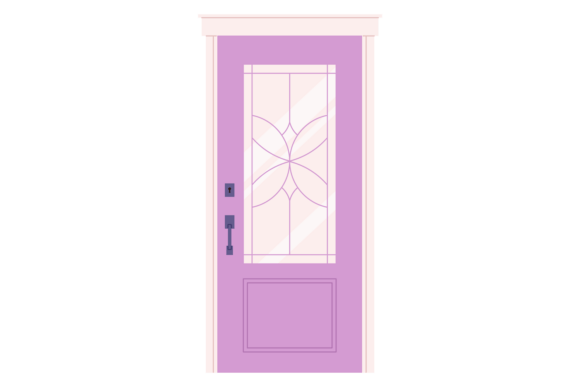
In the realm of architectural visualization and graphic design, few elements carry as much visual weight and historical resonance as a grand entrance. The Ornate Door. Street Facade Decorative Cl represents more than just a barrier between the interior and exterior; it is a statement of identity, craftsmanship, and aesthetic intention. For designers, architects, and content creators, accessing high-quality assets of these classic doorways is no longer a luxury but a necessity in an increasingly visual digital landscape.
The demand for detailed, isolated assets such as an ornate door street facade decorative classic doorway isolated on white background has surged. This shift reflects a broader trend where authenticity and intricate detail are prized over generic minimalism. Whether you are designing a website for a boutique hotel, creating marketing materials for a restoration project, or developing assets for a video game environment, the quality of your foundational elements dictates the perceived value of the final product.
The Evolution of Architectural Assets in Digital Design
Historically, incorporating complex architectural details into digital projects required extensive manual photography or time-consuming 3D modeling. Today, the availability of pre-rendered, high-resolution assets has transformed workflows. The specific search for formats like EPS, JPG, SVG, and transparent PNG indicates a sophisticated user base that understands the technical requirements of modern design pipelines.
This evolution is driven by several factors:
- Efficiency: Professionals need to iterate quickly. Having a ready-made, isolated ornate door allows for rapid prototyping and composition without the overhead of original photography sessions.
- Versatility: Different file formats serve different purposes. Vector files like SVG and EPS allow for infinite scalability without loss of quality, essential for large-format printing. Raster formats like JPG and transparent PNGs are crucial for web use and compositing in software like Photoshop.
- Accessibility: High-quality heritage designs are now accessible to freelancers and small businesses, not just large architectural firms with massive budgets.
The Ornate Door. Street Facade Decorative Cl is not merely a static image; it is a flexible component in a designer’s toolkit. By isolating these elements on white or transparent backgrounds, creators gain the freedom to place them in any context, from urban renewal brochures to fantasy novel covers.
Why Classic Aesthetics Are Resurging in Modern Media
We are witnessing a cultural pivot away from the sterile, ultra-modern aesthetics that dominated the early 2000s. There is a growing appreciation for texture, history, and narrative depth. An ornate street facade tells a story. It suggests permanence, stability, and artistry. For marketers and brand strategists, leveraging these visual cues can evoke trust and prestige.
Consider the hospitality industry. A boutique restaurant or a historic inn often uses imagery of classic doorways to signal an experience that is curated and rich in character. When a potential customer sees a detailed, decorative classic doorway, they subconsciously associate the brand with attention to detail. This psychological impact is why high-fidelity assets are so valuable. A low-resolution, poorly cropped image fails to convey this sense of quality, whereas a crisp, well-lit PNG or vector file enhances the brand’s perceived authority.
Furthermore, the rise of "heritage tech" and digital preservation projects means that historians and educators are also seeking these resources. They need accurate representations of architectural styles to teach students or document endangered buildings. The availability of diverse formats ensures that these educational materials can be adapted for both print textbooks and interactive digital modules.
Practical Applications for Creators and Businesses
Understanding the utility of an ornate door street facade decorative classic doorway isolated on white background requires looking at specific use cases across various industries. Here is how different professionals can leverage these assets effectively:
Graphic Designers and Marketers
For those creating brochures, social media graphics, or website banners, the transparent PNG format is indispensable. It allows for seamless integration into existing layouts without the need for complex masking. Imagine a real estate agency specializing in historic homes. Using a high-quality image of an ornate door as a header element can immediately communicate their niche expertise. The key is to ensure the lighting and perspective of the asset match the rest of the design to maintain realism.
Architects and Interior Designers
While architects often create their own models, having a library of reference images and textured assets speeds up the presentation phase. An EPS file of a decorative facade can be imported into CAD software or illustration programs to add contextual detail to street-level renderings. This helps clients visualize how a new development might harmonize with existing historical structures.
Game Developers and VR Creators
In virtual environments, detail creates immersion. While real-time rendering requires optimized meshes, concept artists and UI designers often use high-resolution JPGs or PNGs for mood boards, loading screens, or 2D interface elements. A classic doorway can serve as a portal metaphor in game design, symbolizing transition and adventure.
Selecting the Right Format for Your Workflow
Not all file formats are created equal. Choosing the wrong one can lead to pixelation, bloated file sizes, or editing difficulties. Here is a breakdown of when to use each format associated with these decorative assets:
- Transparent PNG: Best for web graphics, presentations, and photo compositing. It preserves transparency, allowing the door to sit naturally over any background. Ensure the resolution is high (300 DPI for print, 72-150 DPI for web) to avoid jagged edges.
- SVG (Scalable Vector Graphics): Ideal for logos, icons, or simplified illustrations of doorways. If the ornate door is stylized rather than photorealistic, SVG ensures it looks sharp on any screen size, from mobile phones to 4K monitors.
- EPS (Encapsulated PostScript): The standard for professional printing and vector editing. If you need to edit the lines, colors, or shapes of the decorative elements in Illustrator, EPS is the preferred choice. It is also compatible with many legacy design systems.
- JPG: Suitable for full-color photographs where transparency is not needed. Use this for background images or when file size is a concern. However, be mindful of compression artifacts around intricate details like carvings or ironwork.
By matching the format to the task, you ensure that the Ornate Door. Street Facade Decorative Cl enhances rather than hinders your creative process.
Future-Proofing Your Design Library
As technology advances, the way we interact with these assets will continue to evolve. We are seeing increased integration of AI-driven design tools that can upscale images or generate variations based on existing assets. Having a clean, isolated source file makes it easier to train custom models or use AI upscalers effectively. Moreover, as augmented reality (AR) becomes more common in retail and tourism, having high-quality 2D assets that can be mapped onto 3D spaces will be increasingly valuable.
For businesses, investing in a diverse library of architectural elements is a strategic move. It reduces dependency on stock photography subscriptions and allows for a more consistent brand aesthetic. Instead of searching for the perfect image every time a campaign launches, you can build a proprietary collection of ornate door street facade decorative classic doorway assets tailored to your brand’s visual language.
In conclusion, the humble yet majestic ornate door is a powerful tool in the modern creator’s arsenal. It bridges the gap between historical charm and digital efficiency. By understanding the nuances of file formats and the psychological impact of classical design, professionals can elevate their work, creating experiences that resonate with audiences on a deeper level. Whether you are a freelancer looking to streamline your workflow or a business aiming to project timeless elegance, embracing these detailed architectural assets is a step toward more compelling and authentic visual storytelling.