Decorative Pattern Landscape. Asian Art: Bridging Tradition and Modern Design
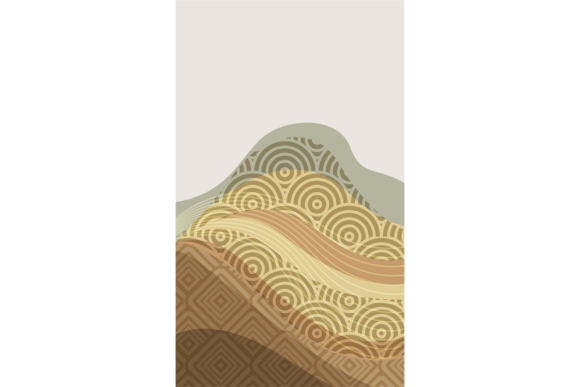
The visual language of Asian art has long been defined by its intricate balance between nature, geometry, and spiritual symbolism. In contemporary design, this aesthetic is experiencing a renaissance, not merely as a nostalgic nod to the past, but as a dynamic tool for modern communication. The concept of a decorative pattern landscape refers to the seamless integration of traditional motifs—such as cherry blossoms, koi fish, geometric lattices, and mountain silhouettes—into expansive, cohesive visual fields. This approach transforms static images into immersive experiences, appealing to a global audience that values both cultural depth and aesthetic sophistication.
For designers, marketers, and content creators, understanding the nuance of these patterns is essential. It is no longer enough to simply overlay a generic motif onto a background. Today’s users expect authenticity and high-quality execution. This is where the technical versatility of file formats like Vector illustration EPS, JPG, and SVG becomes critical. These formats allow for scalability and adaptability across various media, from large-scale environmental graphics to crisp digital interfaces.
The Evolution of Visual Storytelling in Asian-Inspired Design
Historically, Asian decorative arts were bound by strict cultural codes and material limitations. Woodblock prints, silk embroidery, and ceramic glazes dictated the resolution and repetition of patterns. However, the digital age has liberated these forms. A decorative pattern landscape today is not confined to a physical textile or wall scroll; it is a fluid digital asset that can animate, resize, and interact with user behavior.
This evolution reflects a broader shift in consumer preferences. Modern audiences are increasingly drawn to designs that offer a sense of calm and order amidst digital chaos. The structured yet organic nature of Asian patterns provides this psychological comfort. Whether it is the rhythmic repetition of seigaiha waves or the delicate asymmetry of bamboo stalks, these elements create a visual rhythm that guides the eye without overwhelming the mind. For businesses, leveraging this aesthetic can enhance brand perception, signaling attention to detail and cultural appreciation.
Why Vector Formats Matter for Professional Workflows
When incorporating Asian art poster templates or custom illustrations into professional projects, the choice of file format is not merely technical—it is strategic. Understanding the distinct advantages of EPS, JPG, and SVG ensures that the integrity of the decorative pattern is maintained across all touchpoints.
- SVG (Scalable Vector Graphics): Ideal for web and mobile interfaces, SVGs allow decorative patterns to remain crisp on any screen size. They are code-based, meaning they load quickly and can be manipulated via CSS for interactive effects, such as changing colors on hover.
- EPS (Encapsulated PostScript): This is the gold standard for print production. If you are designing large-format banners, packaging, or high-end brochures featuring intricate Asian motifs, EPS ensures that every line and curve remains sharp, regardless of scaling.
- JPG (Joint Photographic Experts Group): While not scalable, JPGs are essential for photographic realism or complex textures within a pattern landscape. They are widely compatible and suitable for social media previews or email newsletters where file size is a concern.
By utilizing a mix of these formats, creators can build a versatile asset library. A single vector illustration can serve as the master file, exported into various formats to meet the specific needs of different platforms. This workflow efficiency is crucial for freelancers and agencies managing tight deadlines.
Integrating Decorative Patterns into Modern Branding
The application of decorative pattern landscapes extends beyond fine art posters. In branding, these patterns can serve as subtle background textures, packaging elements, or digital backdrops. The key is subtlety. Overusing bold motifs can distract from the core message, while a well-placed, low-opacity pattern can add depth and sophistication.
Consider a wellness brand launching a new line of herbal teas. Using a soft, watercolor-style Asian art pattern featuring lotus flowers or misty mountains can evoke feelings of tranquility and natural purity. When implemented as an SVG on their website, the pattern can gently animate, enhancing the user experience without slowing down page load times. Similarly, a tech company might use geometric Asian lattice patterns in their presentation decks to convey structure and innovation.
For entrepreneurs and small business owners, using pre-designed Asian art poster templates can be a cost-effective way to achieve high-quality visuals. These templates often come with layered files, allowing users to customize colors and text while maintaining the structural integrity of the original design. This democratization of design tools enables non-designers to produce professional-grade marketing materials.
Navigating Cultural Sensitivity and Authenticity
As the popularity of Asian art grows, so does the responsibility to use it respectfully. Designers must avoid cultural appropriation by understanding the origins and meanings of the patterns they use. For instance, certain dragon motifs may have specific imperial connotations in Chinese culture, while cherry blossoms hold profound significance in Japanese traditions regarding impermanence and beauty.
Authenticity resonates with consumers. Instead of mixing disparate elements from different cultures into a generic "Eastern" aesthetic, successful designs often focus on specificity. A decorative pattern landscape inspired by Korean celadon ceramics will have a different color palette and form language than one inspired by Indian mandalas. Research and consultation with cultural experts can add depth and credibility to a project, turning a simple design choice into a meaningful narrative.
Practical Applications for Creators and Marketers
For those looking to integrate these elements into their work, here are several practical strategies:
- Start with a Mood Board: Collect examples of traditional Asian art that align with your brand’s values. Identify common colors, shapes, and themes. This helps in creating a cohesive decorative pattern landscape rather than a disjointed collage.
- Prioritize Scalability: Always begin with vector files. Even if the final output is a raster image, starting with vectors allows for endless experimentation with scale and composition without loss of quality.
- Test Across Devices: Ensure that your patterns look good on both desktop and mobile screens. Intricate details may get lost on smaller displays, so consider simplifying the pattern for mobile versions.
- Use Negative Space: Asian art often emphasizes the beauty of empty space. Do not feel compelled to fill every pixel. Allowing breathing room in your design can enhance the impact of the decorative elements.
Moreover, the rise of remote work and digital collaboration has made cloud-based design tools more prevalent. Many of these tools support SVG and JPG imports, making it easier for teams to collaborate on Asian art poster templates in real-time. This accessibility fosters creativity and allows for rapid iteration, ensuring that the final product meets both aesthetic and functional requirements.
The Future of Digital Decorative Arts
Looking ahead, the intersection of technology and traditional art forms will continue to evolve. We are seeing increased use of AI-generated patterns that mimic traditional styles, offering new possibilities for customization. However, the human touch remains irreplaceable. The curation, context, and emotional resonance provided by skilled designers ensure that decorative pattern landscapes remain meaningful rather than mechanical.
For professionals in marketing, education, and creative industries, staying informed about these trends is vital. The ability to blend cultural heritage with modern technical standards—such as optimizing vector illustrations for web performance—sets apart exceptional work from the ordinary. As user expectations for visual quality rise, the demand for authentic, well-executed Asian-inspired designs will only grow.
In conclusion, the decorative pattern landscape rooted in Asian art offers a rich reservoir of inspiration for contemporary design. By respecting cultural origins, leveraging appropriate technical formats like EPS, JPG, and SVG, and applying these elements thoughtfully, creators can produce work that is both visually stunning and deeply resonant. Whether you are designing a poster, a website, or a brand identity, these timeless patterns provide a bridge between the past and the future, inviting viewers to pause, reflect, and appreciate the beauty of detailed craftsmanship.