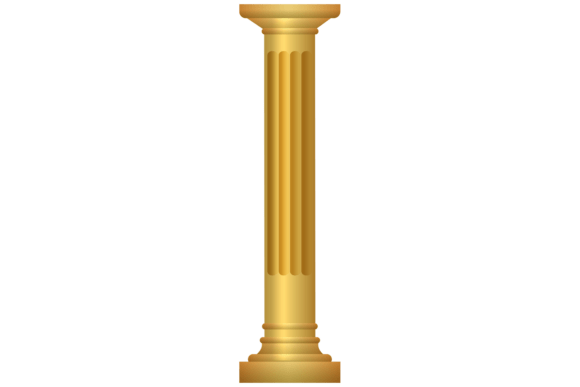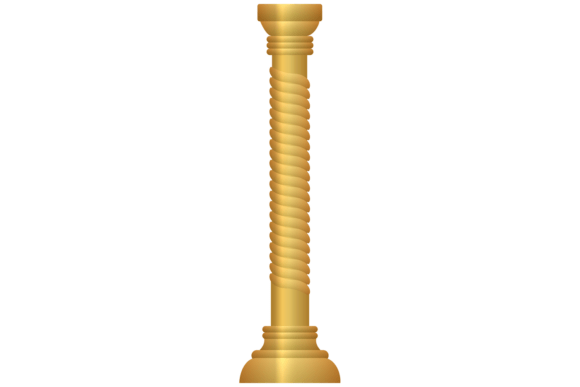
Understanding the Golden Palace Pillar: A Guide to Classic Decorative Sculpture
The concept of a Golden Palace Pillar evokes images of grandeur, stability, and timeless elegance. Whether you are an interior designer, an architect, or simply someone looking to add a touch of classical beauty to a space, understanding the nuances of these decorative elements is essential. In the world of design, a pillar is never just a structural support; it is a statement piece that bridges the gap between engineering and art. This article explores the significance of the golden palace pillar, focusing on its role as a decorative sculpture in classic style, and how modern digital assets like EPS, JPG, and transparent PNG files make these designs accessible for contemporary use.
The Historical Significance of the Golden Pillar
To truly appreciate the golden palace pillar, one must look back at its historical roots. In ancient architecture, columns were primarily functional, bearing the weight of roofs and upper floors. However, as civilizations such as the Greeks, Romans, and later the Byzantines evolved, these structures became canvases for artistic expression. The addition of gold leaf or gold-colored finishes transformed ordinary stone into symbols of divine power and royal authority.
A decorative sculpture in this context serves more than an aesthetic purpose. It represents permanence and wealth. In many cultures, gold is associated with the sun, immortality, and purity. Therefore, a golden pillar in a palace setting was not merely about showing off resources; it was a deliberate architectural choice to create an atmosphere of reverence and awe. Today, while we may not be building actual palaces, the desire for that same sense of occasion and luxury remains relevant in high-end hospitality, corporate lobbies, and residential interiors.
Classic Style Elements Defined
When we refer to "classic style," we are generally talking about specific architectural orders: Doric, Ionic, and Corinthian. Each has distinct characteristics that influence the design of a decorative sculpture:
- Doric: Known for its simplicity and sturdy appearance, often lacking a base. It conveys strength and masculinity.
- Ionic: Recognized by its volutes (scroll-like ornaments) on the capital. It offers a balance between strength and elegance.
- Corinthian: The most ornate, featuring intricate acanthus leaves. This is the style most commonly associated with the opulent "golden palace" aesthetic.
Understanding these distinctions helps in selecting the right pillar for a specific design project. A Corinthian golden pillar, for instance, might overwhelm a minimalist modern room but would be perfect for a baroque-inspired theater lobby.
Digital Assets: EPS, JPG, and Transparent PNG
In the modern creative workflow, physical sculptures are often preceded by digital representations. Designers, marketers, and content creators frequently require high-quality images of a golden palace pillar for mockups, presentations, and web design. This is where file formats become crucial. Knowing the difference between EPS, JPG, and transparent PNG can significantly impact the quality of your final output.
Why Vector Formats Like EPS Matter
An EPS (Encapsulated PostScript) file is a vector graphic. Unlike pixel-based images, vectors use mathematical equations to define shapes. This means you can scale a decorative sculpture from the size of a business card to the size of a billboard without losing any clarity. For professional printers and large-format designers, EPS is the gold standard. It allows for precise editing of colors and shapes, ensuring that the gold tones remain vibrant and the intricate details of the classic style are preserved.
The Role of Raster Images: JPG and PNG
While vectors are ideal for print and scaling, raster images are essential for digital screens. A JPG is a compressed image format that is widely supported and easy to share. It is perfect for blog posts, social media, and quick previews. However, JPGs do not support transparency. If you place a JPG of a pillar on a colored background, you will see a white box around it, which can look unprofessional.
This is where the transparent PNG becomes invaluable. A PNG file supports alpha channels, allowing the background to be completely invisible. When you download a decorative sculpture isolated on a white background as a transparent PNG, you can seamlessly integrate it into any design layout. Whether you are creating a website banner for an architecture firm or a digital invitation for a gala, the ability to layer the golden pillar over other elements without a harsh border is a game-changer.
Practical Applications in Modern Design
You might wonder how a classical golden pillar fits into modern life. The answer lies in the concept of "eclectic design," where old and new styles are blended to create unique environments. Here are several ways these decorative elements are used today:
- Event Staging: Wedding planners and event coordinators often use digital mockups of golden pillars to visualize stage designs before renting physical props. Using high-resolution PNGs allows them to show clients exactly how the decor will look against different lighting and backdrops.
- Interior Visualization: Architects use 3D models and 2D overlays of classic sculptures to help clients understand spatial dynamics. A golden pillar can serve as a focal point in a living room, dividing spaces without blocking light.
- Branding and Marketing: Luxury brands often incorporate classical motifs into their advertising to convey heritage and quality. A golden palace pillar can symbolize stability and premium service in financial or legal marketing materials.
- Educational Resources: Teachers and students of art history use isolated images of decorative sculptures to study form and ornamentation. Transparent backgrounds allow these images to be placed directly into textbooks or presentations alongside explanatory text.
Common Misunderstandings About Decorative Sculptures
One common assumption is that decorative pillars are always heavy and made of solid stone or metal. In reality, modern decorative sculptures are often made from lightweight materials like polyurethane, resin, or fiberglass. These materials can be painted to look like aged gold or polished brass, offering the visual impact of a palace pillar without the structural burden. This makes them accessible for residential use, where floor load limits might prohibit real stone columns.
Another misconception is that classic style is outdated. On the contrary, there is a growing trend known as "Neo-Classical" or "Modern Classical," which strips away excessive ornamentation but retains the proportional harmony and key motifs of traditional design. A single golden pillar, used sparingly, can anchor a modern space, providing a sense of history and grounding amidst sleek, contemporary furniture.
Choosing the Right Asset for Your Project
When searching for a golden palace pillar online, consider the end use of the image. If you are printing a large poster, prioritize EPS or high-resolution JPG files. If you are designing a website or a composite image, ensure you download a transparent PNG. Always check the resolution; a low-resolution image may look fine on a small screen but will appear pixelated when enlarged.
Furthermore, pay attention to the lighting in the image. A decorative sculpture isolated on a white background should have consistent lighting that matches your project’s aesthetic. Soft, diffused lighting suggests elegance and calm, while harsh shadows might imply drama and intensity. Selecting the right visual tone is just as important as the shape of the pillar itself.
Conclusion
The golden palace pillar is more than just a relic of the past; it is a versatile design element that continues to inspire creativity and convey luxury. By understanding the historical context of classic style and leveraging modern digital tools like EPS, JPG, and transparent PNG files, designers and enthusiasts can bring this timeless aesthetic into contemporary projects. Whether used for educational purposes, marketing, or interior design, these decorative sculptures offer a bridge between the grandeur of history and the functionality of the modern world. Embrace the blend of tradition and technology to elevate your creative work.