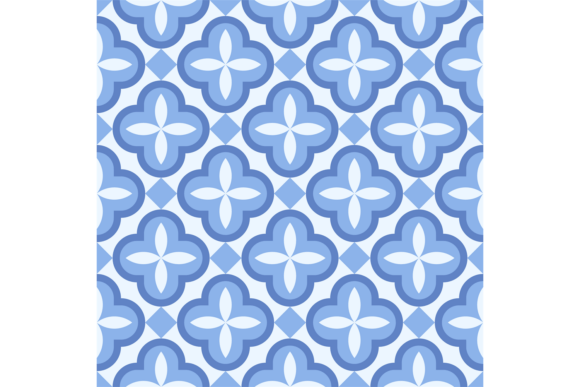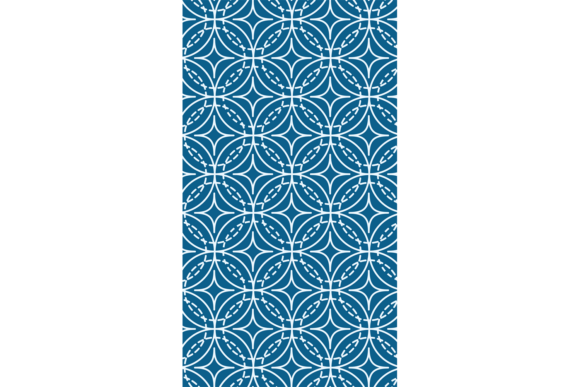
Decorative Geometric Pattern: Seamless O
In the vast landscape of digital design, few elements offer the perfect balance of structure and fluidity quite like a decorative geometric pattern. Specifically, the concept of a "Seamless O"—a continuous, circular motif—presents a unique opportunity for creators. Whether you are working with a seamless oriental round ornament or a modern minimalist ring, the underlying principle remains the same: creating visual harmony that can repeat infinitely without visible breaks. This versatility makes such patterns indispensable for designers, marketers, and hobbyists alike.
The appeal of these designs lies in their dual nature. They are mathematically precise, offering a sense of order and stability, yet they are often adorned with intricate details that evoke emotion and cultural depth. When executed as a vector illustration, available in formats like EPS, JPG, and SVG, these patterns become powerful tools for branding, packaging, web design, and interior decor. Understanding how to leverage this specific aesthetic can elevate your creative projects from mundane to memorable.
The Power of Circular Symmetry
Circular geometry has held symbolic weight across cultures for millennia. It represents unity, infinity, and protection. In design terms, a seamless circular pattern draws the eye inward, creating a focal point that is both calming and engaging. The "Seamless O" structure allows for endless tiling, which is crucial for backgrounds, textiles, and large-scale prints. Unlike linear patterns that may feel directional or restrictive, radial symmetry offers a balanced composition that works from any angle.
When we talk about a seamless oriental round ornament, we are often referring to designs influenced by Islamic art, mandalas, or traditional Asian motifs. These styles utilize complex interlacing lines and repetitive shapes to create a sense of depth and movement. For a modern designer, adapting these traditional elements requires a keen eye for spacing and contrast. The goal is not merely to copy historical artifacts but to interpret their structural logic for contemporary applications.
Versatility Across Formats and Platforms
One of the greatest advantages of using high-quality vector illustrations is their scalability. A pattern designed as an EPS or SVG file can be scaled up to wrap around a building or shrunk down for a business card without losing clarity. This flexibility is essential for professionals who need to maintain brand consistency across various media. Here is how different users can adapt these geometric patterns:
- Web Designers: Use subtle, low-opacity geometric backgrounds to add texture to landing pages without distracting from the main content. SVG formats ensure fast loading times and crisp rendering on high-resolution screens.
- Product Packaging: Bold, high-contrast oriental ornaments can make a product stand out on crowded shelves. Consider using metallic foils over these geometric bases to enhance luxury appeal.
- Fashion Designers: Seamless patterns are ideal for textile printing. The repeating nature of the "O" motif ensures that the design aligns perfectly at seams, creating a cohesive look for garments and accessories.
- Interior Decorators: Large-scale prints of these patterns can serve as statement wallpaper or rug designs. The rhythmic repetition creates a soothing atmosphere in living spaces.
For bloggers and content creators, incorporating these visuals into social media graphics can increase engagement. The inherent symmetry of geometric patterns is pleasing to the human brain, often stopping the scroll in fast-paced feeds. By using JPG exports for quick sharing and SVGs for editable templates, you streamline your workflow while maintaining high visual standards.
Creative Applications and Project Ideas
To truly harness the potential of a decorative geometric pattern, one must move beyond static images. Think about how these designs can interact with other elements. For instance, a seamless oriental round ornament can serve as a frame for typography. Placing a quote or a logo within the central negative space of the "O" creates a natural hierarchy, guiding the viewer’s attention exactly where you want it.
Consider the following project ideas to spark inspiration:
- Brand Identity Systems: Develop a suite of icons based on the segments of your geometric pattern. This creates a cohesive visual language that extends beyond the primary logo.
- Digital Invitations: Use the intricate lines of an oriental ornament as a border for wedding or event invitations. The complexity of the design suggests elegance and care.
- Educational Materials: Teachers and educators can use these patterns to teach concepts of symmetry, rotation, and cultural history. Interactive worksheets where students complete the geometric sequence can be both fun and educational.
- Mindfulness Apps: Given the meditative quality of mandala-like structures, these patterns are perfect for background animations in wellness applications. Slowly rotating geometric shapes can aid in relaxation and focus.
Each of these applications requires a thoughtful approach to color and density. A pattern that works well in black and white might need adjustment when introduced to a vibrant palette. Always test your designs in context to ensure they remain effective and legible.
Technical Considerations for Quality Results
While creativity drives the design process, technical precision ensures its success. When working with vector illustrations, it is crucial to maintain clean paths and anchor points. Messy vectors can lead to rendering issues, especially when scaling. If you are creating your own seamless patterns, pay close attention to the edges. The left side must match the right, and the top must match the bottom, to achieve true seamlessness.
Choosing the right file format is equally important. Use SVG for web and interactive media due to its small file size and scalability. Opt for EPS when sending files to professional printers, as it is widely supported in the industry. Reserve JPG for quick previews or social media posts where editing is not required. Understanding these distinctions helps you communicate effectively with clients and collaborators.
Furthermore, consider the cultural sensitivity of your designs. If you are drawing inspiration from seamless oriental round ornaments, take the time to understand the origins and meanings behind specific motifs. Respectful adaptation honors the source material and adds depth to your work. Avoid appropriating sacred symbols without context or permission. Instead, focus on the geometric principles and aesthetic qualities that transcend specific cultural boundaries.
Keeping Your Designs Fresh and Original
In a world saturated with digital assets, originality is key. While using pre-made templates can save time, customizing them ensures your work stands out. Experiment with combining different geometric styles. Mix rigid angular shapes with soft, flowing curves to create tension and interest. Play with transparency and layering to add depth to flat designs.
Stay updated with design trends, but do not be enslaved by them. Classic geometric patterns have endured because they are fundamentally pleasing. By focusing on balance, proportion, and craftsmanship, you create work that remains relevant regardless of shifting fashions. Remember, the best designs are those that solve a problem or enhance an experience, not just those that look trendy.
Ultimately, the decorative geometric pattern is more than just a visual element; it is a tool for communication. Whether you are building a brand, designing a product, or creating art, these seamless forms offer a structured canvas for your creativity. Embrace the precision of the vector, the beauty of the circle, and the endless possibilities of the seamless repeat. Your audience will appreciate the clarity, consistency, and care that such thoughtful design brings to their everyday interactions.