Strategic Application of the Seamless Blue Line Pattern in Decorative Design
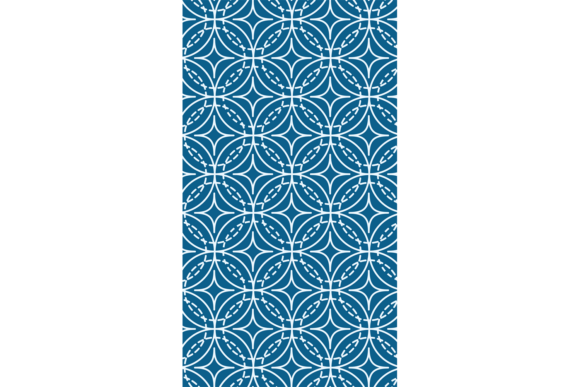
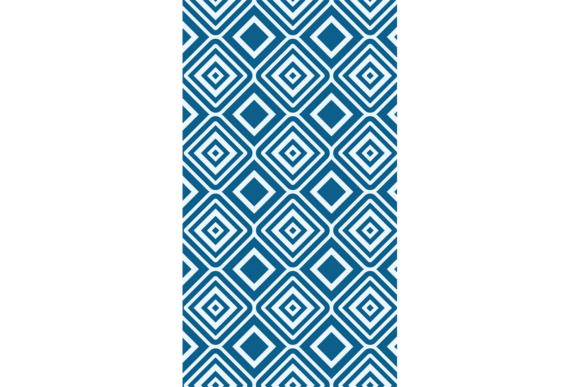
In the realm of visual communication, consistency is not merely an aesthetic preference; it is a functional necessity for brand recognition and user experience. The Seamless Blue Line Pattern in Decorative style represents more than a simple graphic element. It is a versatile asset that, when deployed with intention, can streamline design workflows, reinforce brand identity, and create cohesive visual narratives across digital and print media. For entrepreneurs, marketers, and creative professionals, understanding how to leverage this specific aesthetic—often rooted in Asian geometry and vector precision—can lead to more efficient production cycles and higher-quality outputs.
The appeal of blue line work lies in its psychological impact. Blue is universally associated with trust, stability, and calm. When combined with the structural integrity of geometric lines, it creates a visual language that speaks of order and professionalism. However, the true value emerges when these elements are rendered as a seamless pattern. A seamless tile allows for infinite scalability without visible breaks, making it ideal for backgrounds, packaging, web interfaces, and textile applications. This article explores how to integrate the Seamless Blue Line Pattern in Decorative into your strategic toolkit, moving beyond random decoration to purposeful design.
Defining the Asset: Vector Precision and Cultural Geometry
To utilize any design asset effectively, one must first understand its technical and stylistic components. The patterns in question are typically delivered as vector illustrations, available in formats such as EPS, SVG, and high-resolution JPG. The vector format is critical for professional use. Unlike raster images, vectors are mathematically defined paths, meaning they can be scaled to any size—from a business card to a building wrap—without losing clarity or becoming pixelated. This flexibility is essential for businesses that need to maintain brand consistency across vastly different mediums.
Stylistically, these patterns often draw from Asian geometry, characterized by intricate lattices, interlocking shapes, and balanced symmetry. This heritage brings a sense of timeless elegance and cultural depth. When you choose a Seamless Blue Line Pattern in Decorative style, you are not just selecting a color and a shape; you are invoking a tradition of meticulous craftsmanship. For brands aiming to position themselves as premium, thoughtful, or globally aware, this aesthetic provides a subtle yet powerful signal of quality.
Strategic Benefits for Branding and Positioning
Why should a decision-maker care about a specific pattern style? The answer lies in differentiation and cognitive ease. In a saturated market, visual clutter is the enemy of conversion. A well-chosen background pattern can reduce white space anxiety without overwhelming the primary message. The blue line pattern offers a middle ground: it provides texture and interest while remaining subordinate to foreground content.
- Brand Cohesion: Using a consistent pattern across your website, social media headers, and printed materials creates a unified brand ecosystem. Customers begin to associate the specific geometric rhythm with your company, enhancing recall.
- Perceived Value: High-quality vector graphics signal professionalism. Cheap, pixelated, or disjointed designs can undermine trust. A crisp, seamless pattern suggests attention to detail.
- Versatility: Because the pattern is seamless, it can be used for large-scale environmental graphics or small digital icons. This adaptability reduces the need for multiple custom designs, saving time and budget.
Consider a financial consultancy or a tech startup. These industries benefit from the stabilizing effect of blue and the orderly nature of geometric lines. By applying a Seamless Blue Line Pattern in Decorative backdrop to their reports or app interfaces, they subtly communicate reliability and structure. This is not about overt messaging; it is about creating an environment where the audience feels secure and oriented.
Practical Applications Across Media
The utility of this asset extends far beyond static images. Here is how various professionals can integrate these patterns into their operations:
Digital Presence and Web Design
For web developers and UI designers, lightweight SVG files are invaluable. They load quickly and remain sharp on retina displays. A subtle blue line pattern can serve as a background for hero sections, footer areas, or call-to-action blocks. It adds depth to flat design trends without compromising readability. The key is opacity management; lowering the opacity of the blue lines ensures that text remains legible while the pattern provides visual interest.
Print and Packaging
In physical products, the EPS format allows for precise printing at any scale. Packaging designers can use the Seamless Blue Line Pattern in Decorative to create distinctive box wraps, tissue paper, or label backgrounds. The repetitive nature of the pattern ensures that no matter how the package is cut or folded, the design remains continuous and appealing. This continuity enhances the unboxing experience, turning a mundane transaction into a memorable brand interaction.
Corporate Communications
Marketers and internal communicators can use these patterns to elevate standard documents. PowerPoint templates, annual reports, and whitepapers often suffer from visual monotony. Introducing a geometric blue border or background watermark can break up text-heavy pages and guide the reader’s eye. It transforms dry data into a more engaging narrative, supporting better information retention.
Risks of Unintentional Use
While the benefits are significant, misapplication can lead to negative outcomes. The most common risk is visual noise. If the pattern is too bold, too dark, or too complex, it competes with the primary content. This violates the principle of hierarchy, confusing the viewer and diluting the message. Always test your design with the pattern at varying opacities and scales to ensure it supports rather than dominates.
Another risk is cultural mismatch. While Asian geometry is widely appreciated for its beauty, it carries specific cultural connotations. Ensure that the use of these motifs aligns with your brand’s values and target audience expectations. Appropriation without understanding can appear superficial. Instead, approach the design with respect for its origins, using it to enhance rather than exploit cultural aesthetics.
Furthermore, relying on a single pattern for all contexts can lead to brand fatigue. Variety is essential. Use the Seamless Blue Line Pattern in Decorative as part of a broader visual system, rotating it with other assets to keep the brand feeling fresh and dynamic. Do not let convenience override creativity.
Decision-Making Framework for Implementation
Before integrating this pattern into your next project, ask yourself three strategic questions:
- What is the primary goal? Is the pattern meant to establish trust, add elegance, or simply fill space? Your goal dictates the intensity and placement of the design.
- Who is the audience? Does your demographic respond well to structured, traditional aesthetics, or do they prefer minimalism? Align the visual style with user preferences.
- What is the medium? Digital screens require different considerations than print. Ensure you are using the correct file format (SVG for web, EPS for print) to optimize performance and quality.
By answering these questions, you move from random decoration to strategic design. You ensure that every element serves a purpose, contributing to long-term brand equity and operational efficiency.
Long-Term Value and Scalability
Investing in high-quality vector assets like the Seamless Blue Line Pattern in Decorative pays dividends over time. Unlike trend-driven graphics that may look dated in a year, geometric patterns have enduring appeal. They are timeless. This longevity means you can build a library of assets that remain relevant, reducing the need for constant redesigns.
Moreover, standardized assets streamline collaboration. When your team has access to a approved set of patterns and colors, onboarding new designers becomes faster, and output consistency improves. This operational efficiency allows your creative team to focus on higher-level strategic problems rather than reinventing basic visual elements for every project.
In conclusion, the Seamless Blue Line Pattern in Decorative is a powerful tool for those who understand its potential. It bridges the gap between aesthetic beauty and functional design. By approaching its use with clarity, respect, and strategic intent, you can enhance your brand’s visual identity, improve user experience, and achieve more cohesive results across all touchpoints. Remember, design is not just about how things look; it is about how they work. Use this pattern to make your visual communication work harder for your business.